Agent glue code is becoming the next ESB
Published:
• 7 min read 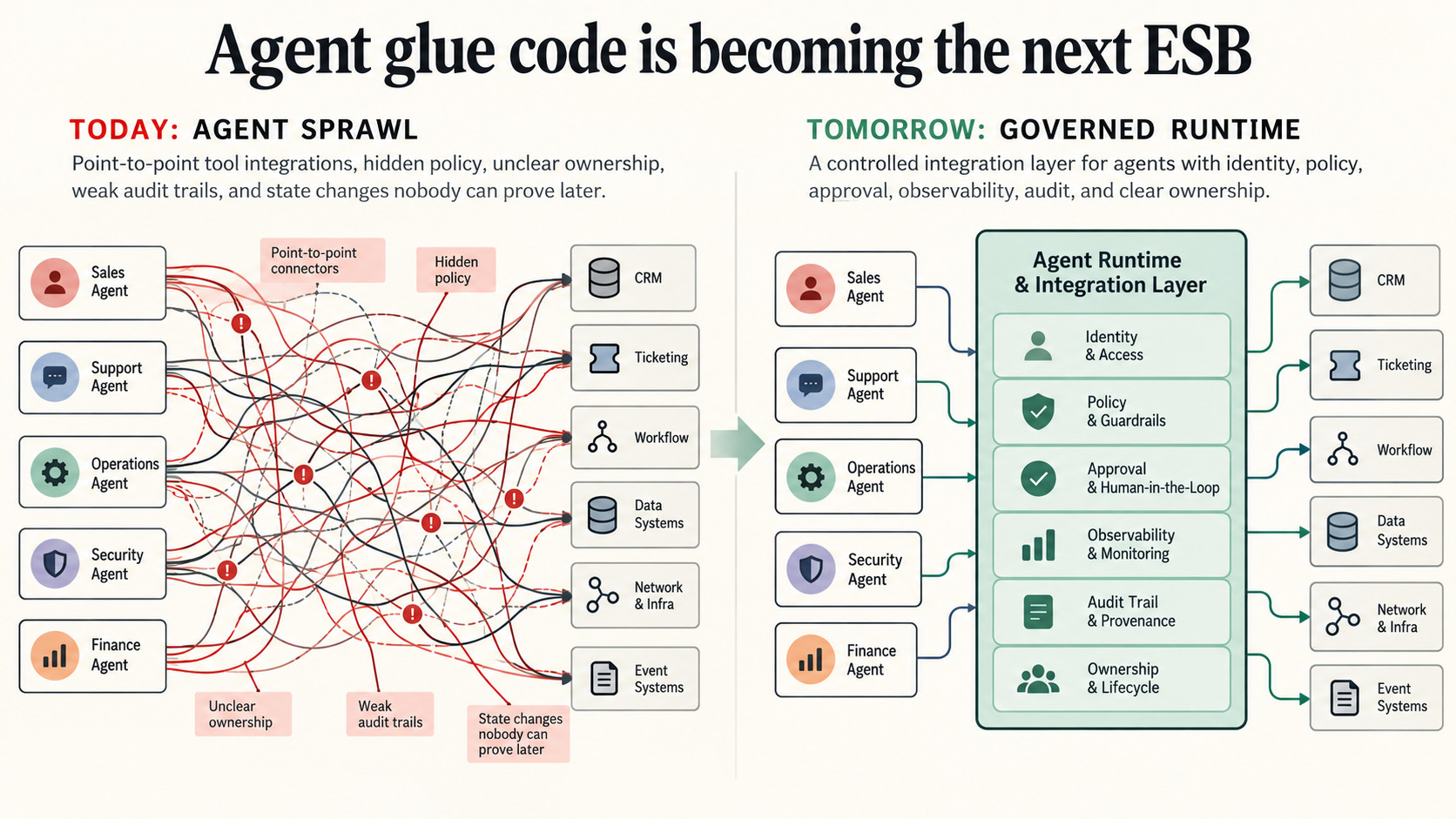
Telco and enterprise AI agents do not fail because tools are hard to call. They fail when identity, policy, state, approval, and proof are left inside custom glue code.
All the articles with the tag "enterprise-architecture".
Telco and enterprise AI agents do not fail because tools are hard to call. They fail when identity, policy, state, approval, and proof are left inside custom glue code.
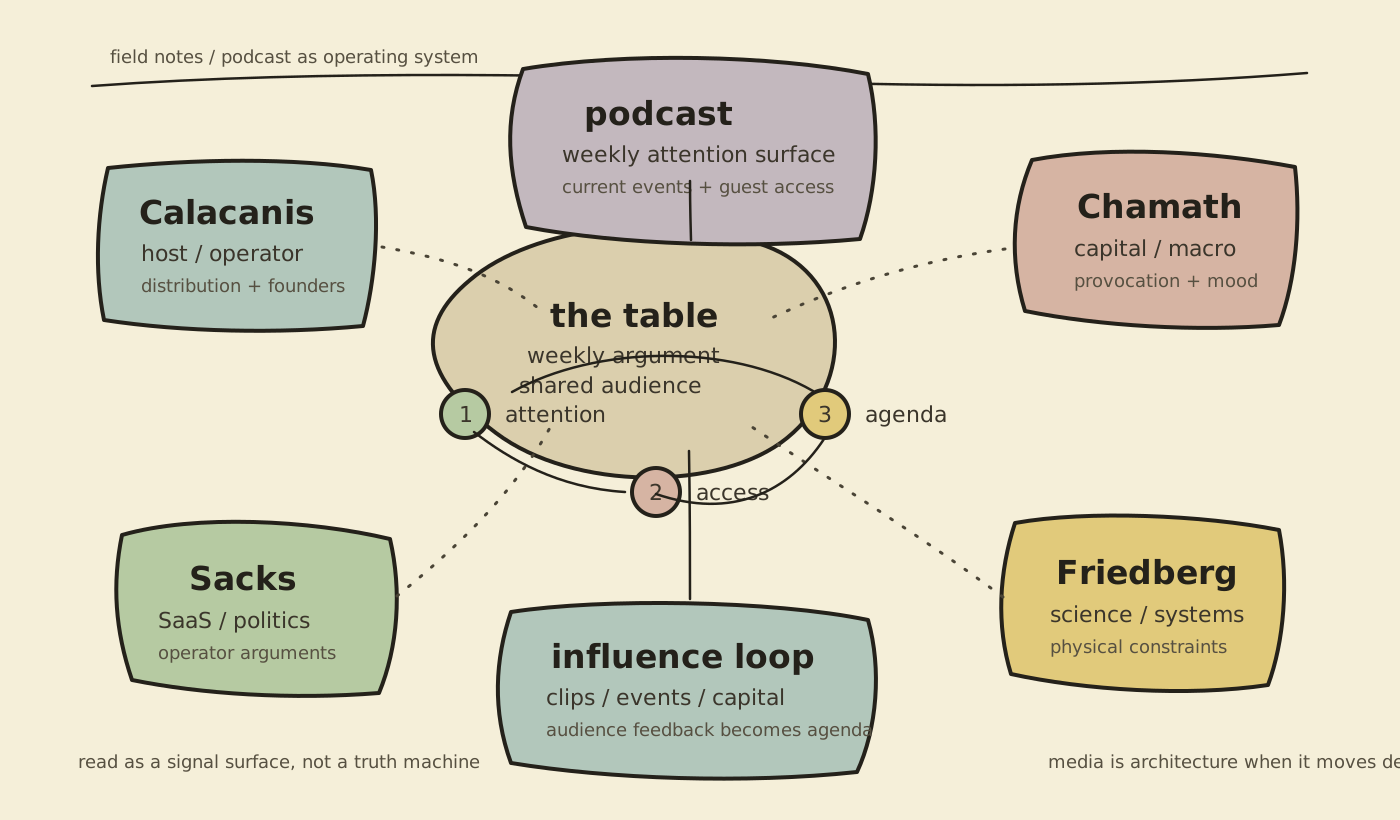
The interesting part of All-In is not that four investors argue on a microphone. It is how podcast, clips, events, capital, founder access, politics, and audience feedback become one distribution machine.
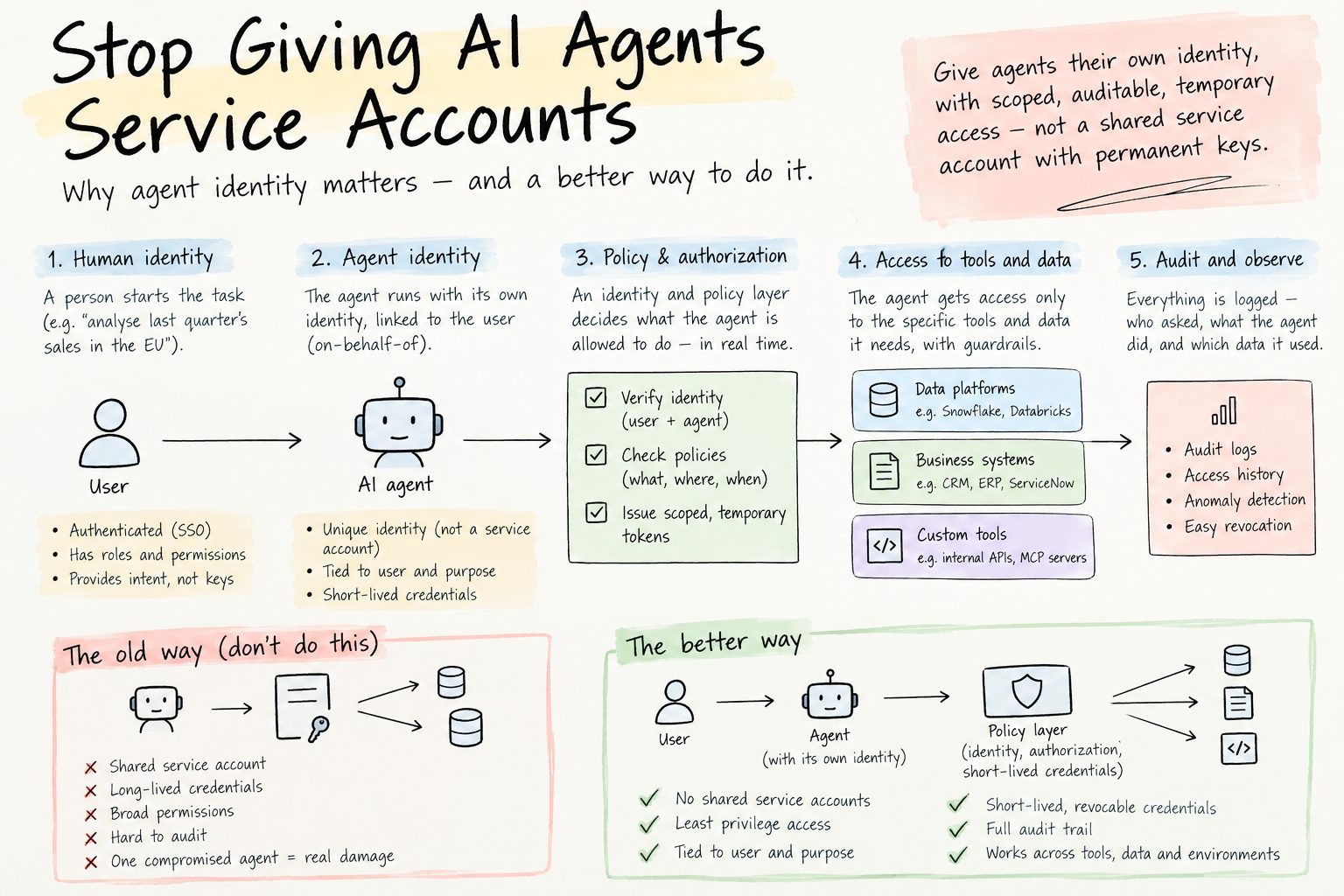
Service accounts were built for predictable software. Agents are different: they act for people, cross tools, and change context. Identity needs to follow the agent, the user, and the task.
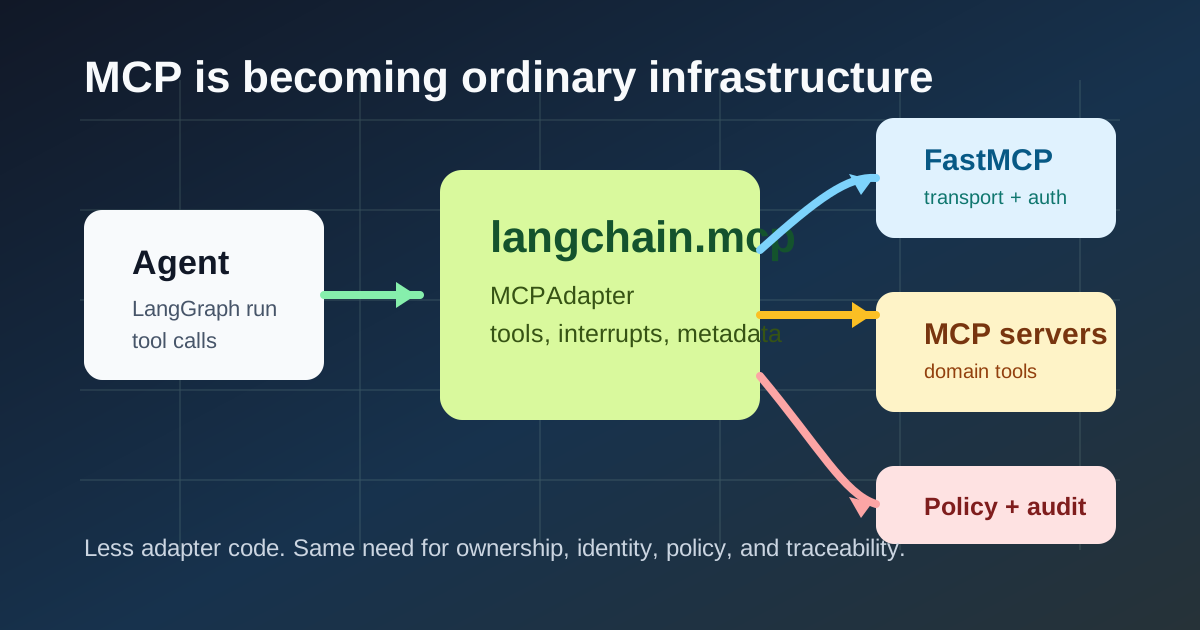
LangChain moving MCP into langchain.mcp is useful because it removes adapter plumbing. It is also a reminder that easier tool access does not remove the need for identity, policy, and ownership.
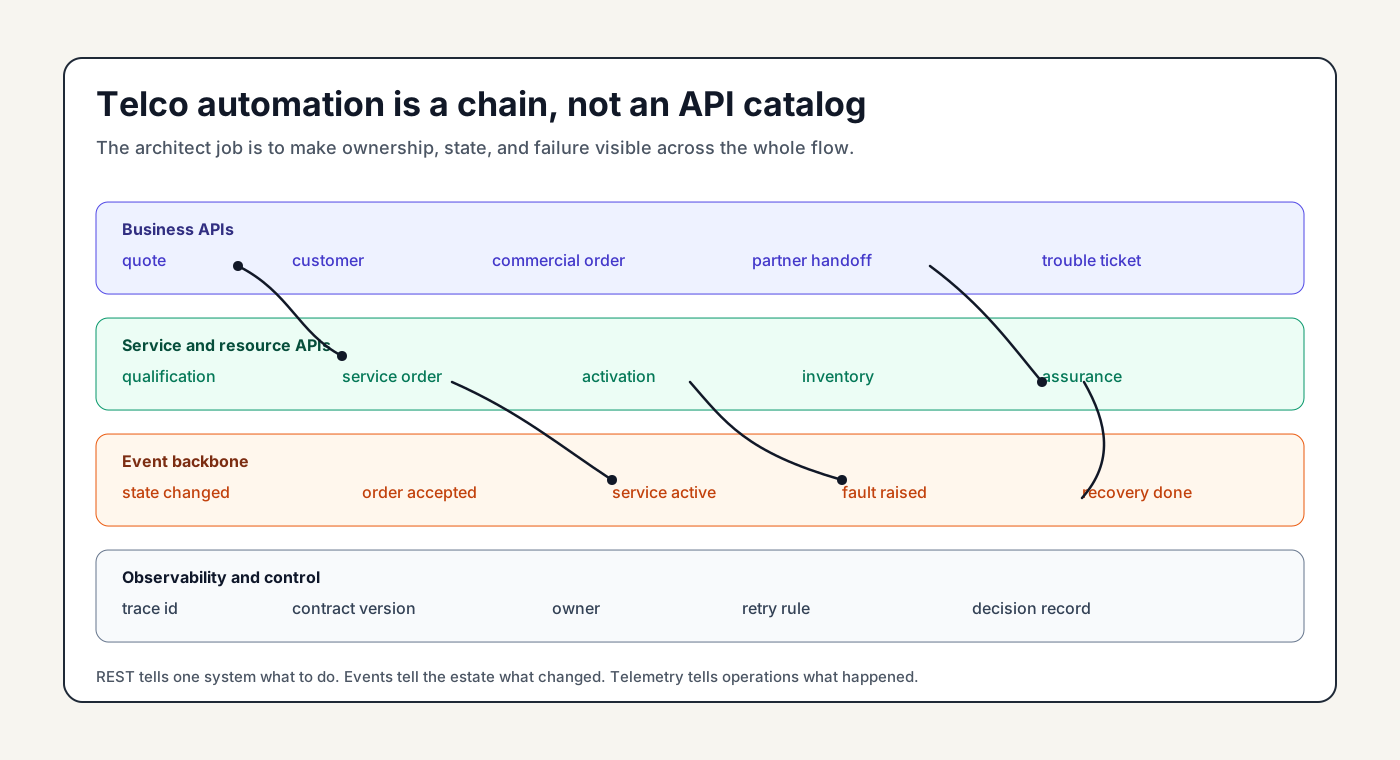
TM Forum APIs, Mplify LSO, events, and OpenTelemetry all matter. None of them are enough alone. The architecture is the chain between them.
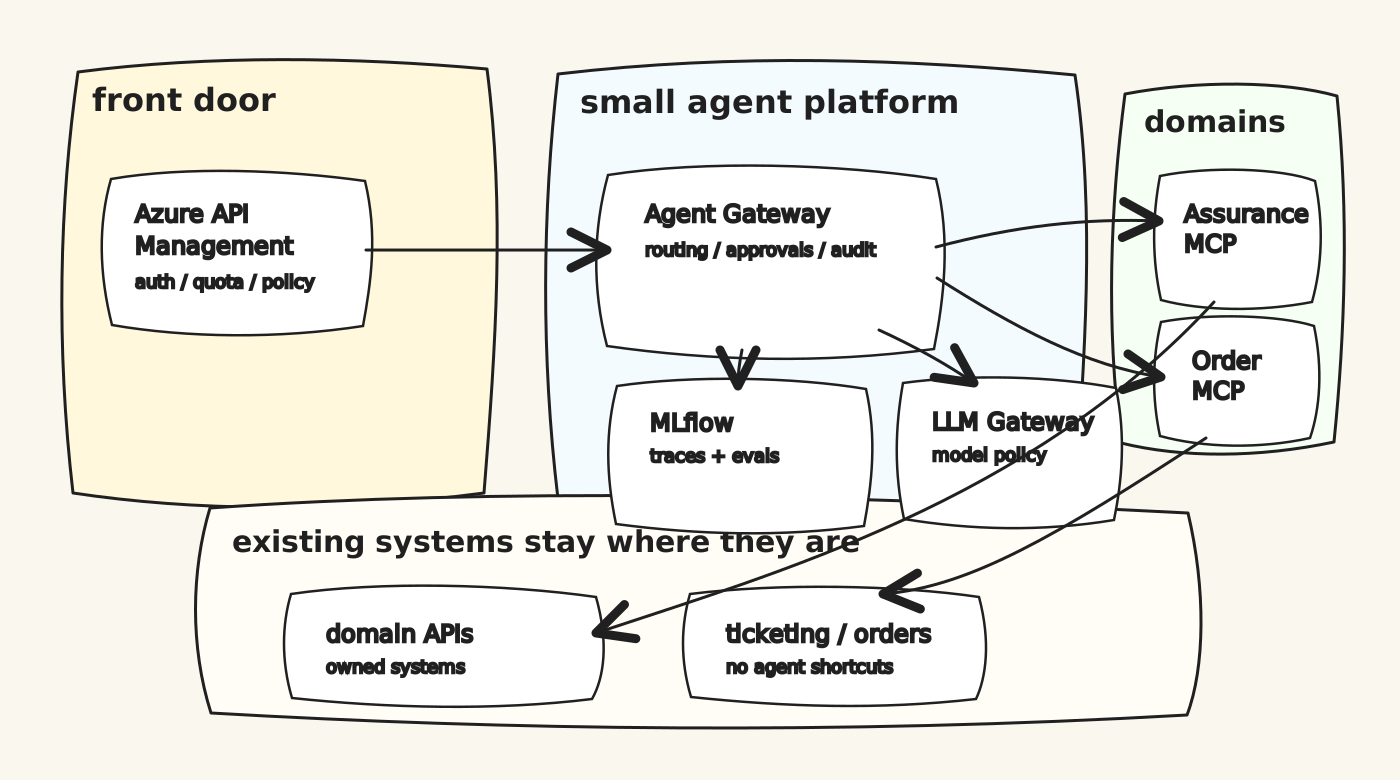
AI can generate more code. That is not the bottleneck. The real work is removing integration, ownership, approval, and governance bottlenecks with a domain-driven MCP platform, APIM, and MLflow from mlflow.org.
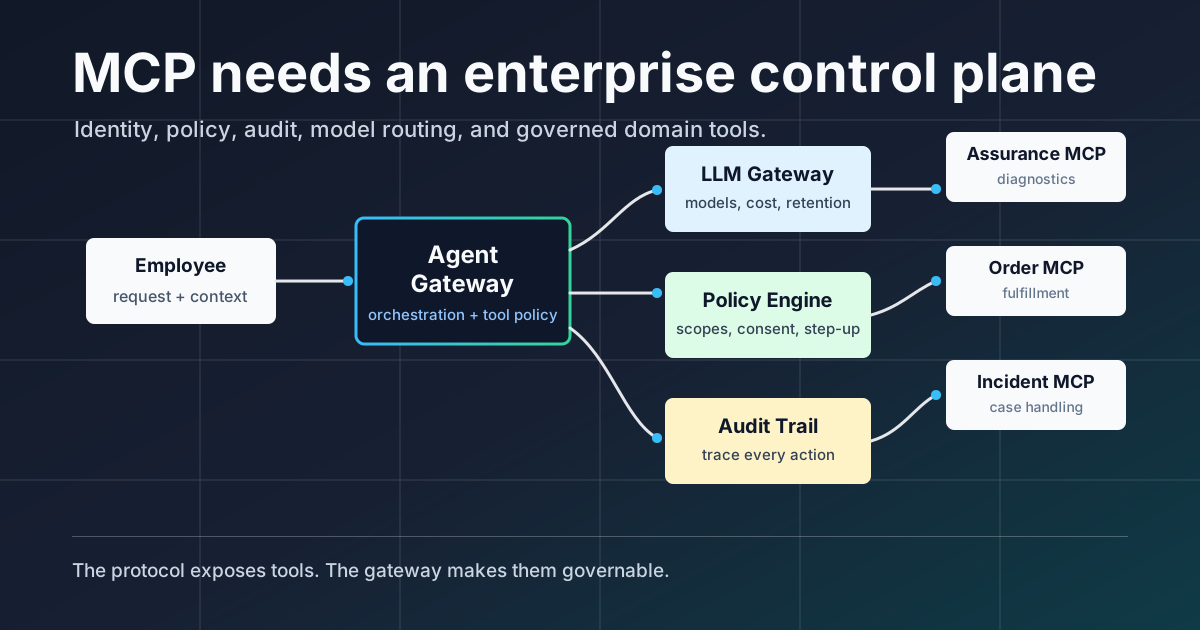
Model Context Protocol can make agents useful inside large companies, but only if it is wrapped in identity, policy, audit, ownership, and a serious gateway architecture.
AI speed without API governance is just faster technical debt.
On‑prem is the king again (but SaaS might not be dead yet).
In telco, the integration layer becomes the control plane for reliable cross-domain execution as agentic automation scales.