Tag: ai
All the articles with the tag "ai".
-
I made my agent's memory faster by making it smaller
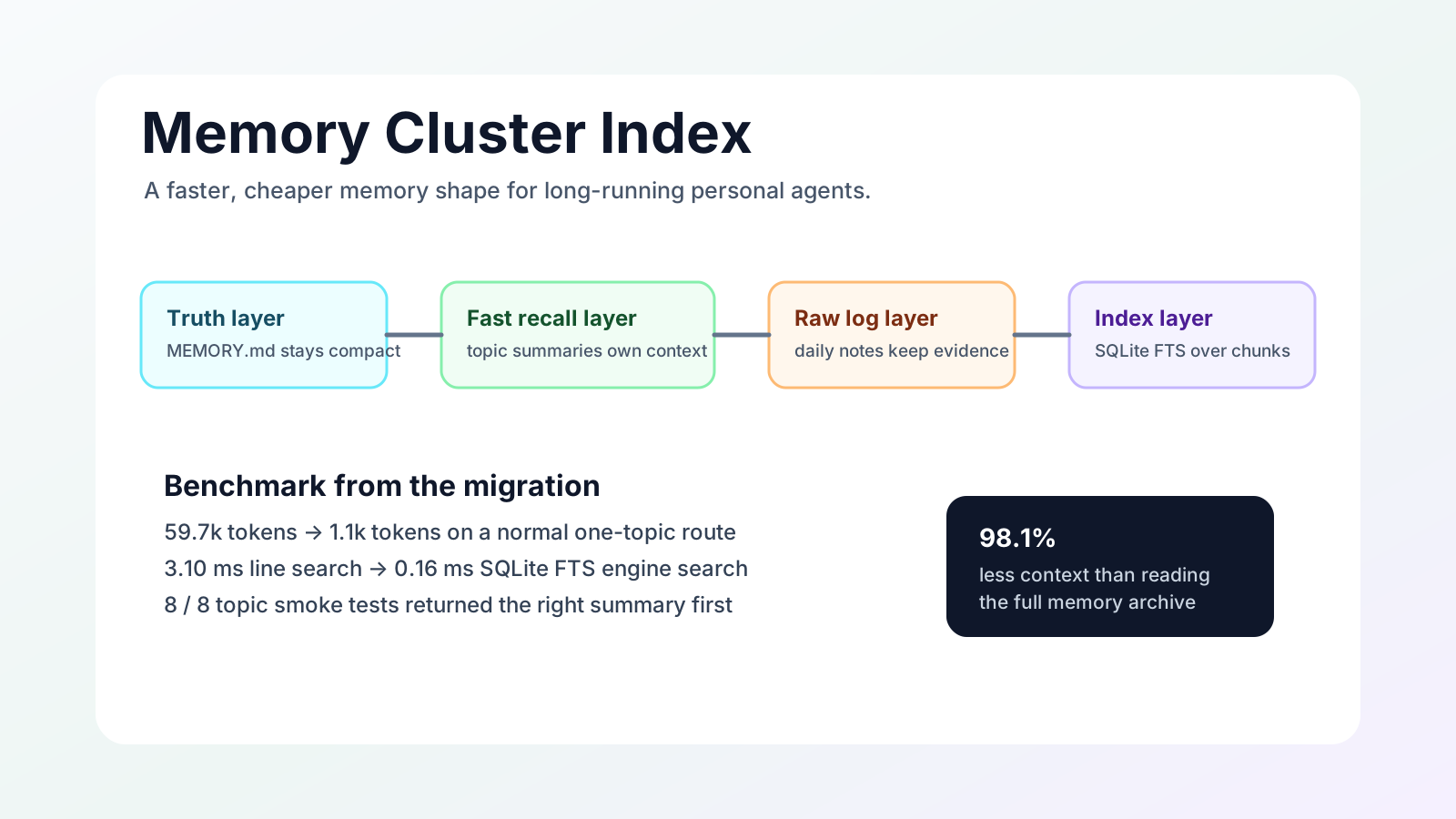
The useful version of agent memory is not a bigger bucket. It is a layered system: compact truth, raw notes, topic summaries, and a local index that works even when embeddings do not.
-
Daniel Kokotajlo is probably right, just too early
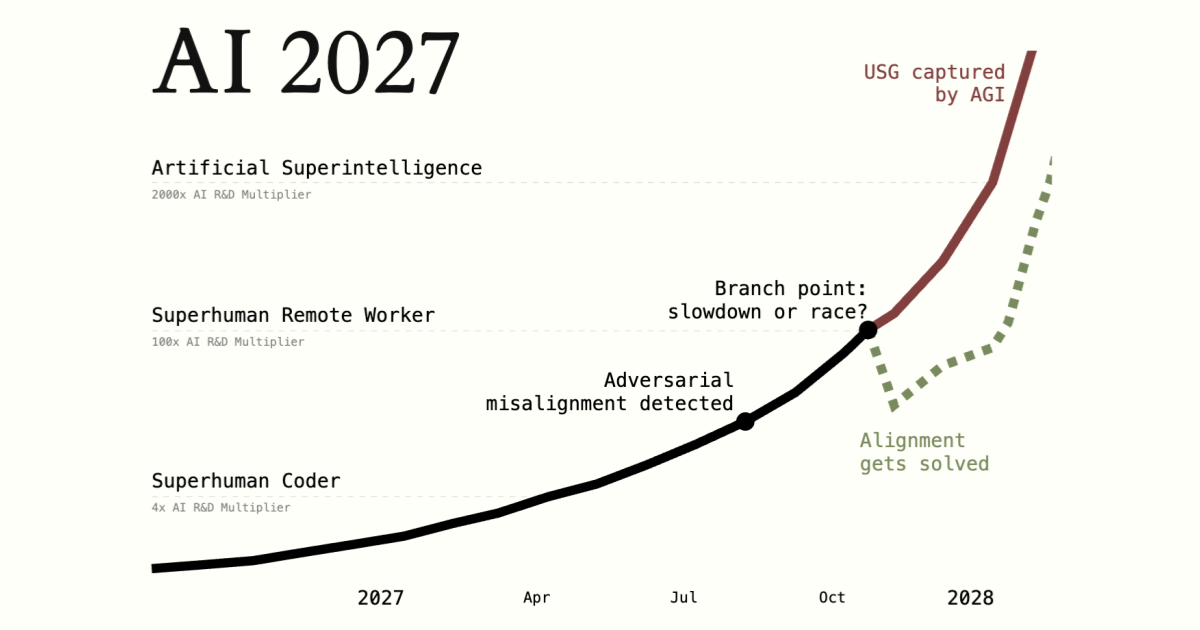
Daniel Kokotajlo's AI forecasts look extreme until you separate the mechanism from the calendar. The direction is plausible. The 2027-style timeline is the part I struggle to buy.
-
MCP needs an enterprise control plane
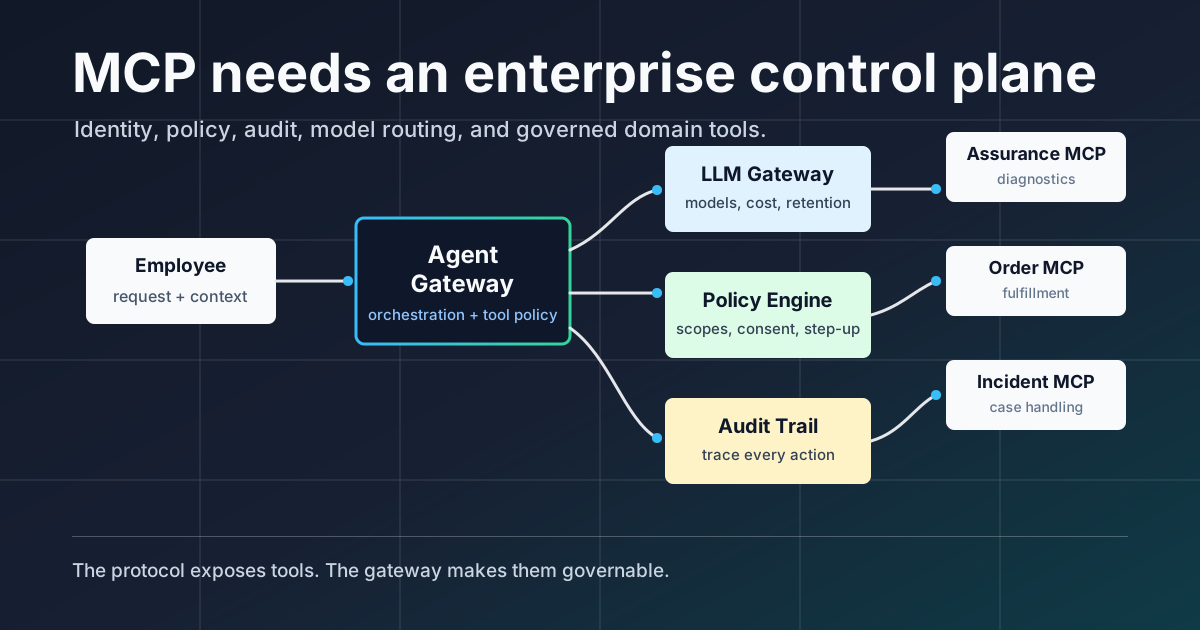
Model Context Protocol can make agents useful inside large companies, but only if it is wrapped in identity, policy, audit, ownership, and a serious gateway architecture.
-
Building a personal agent toolchain
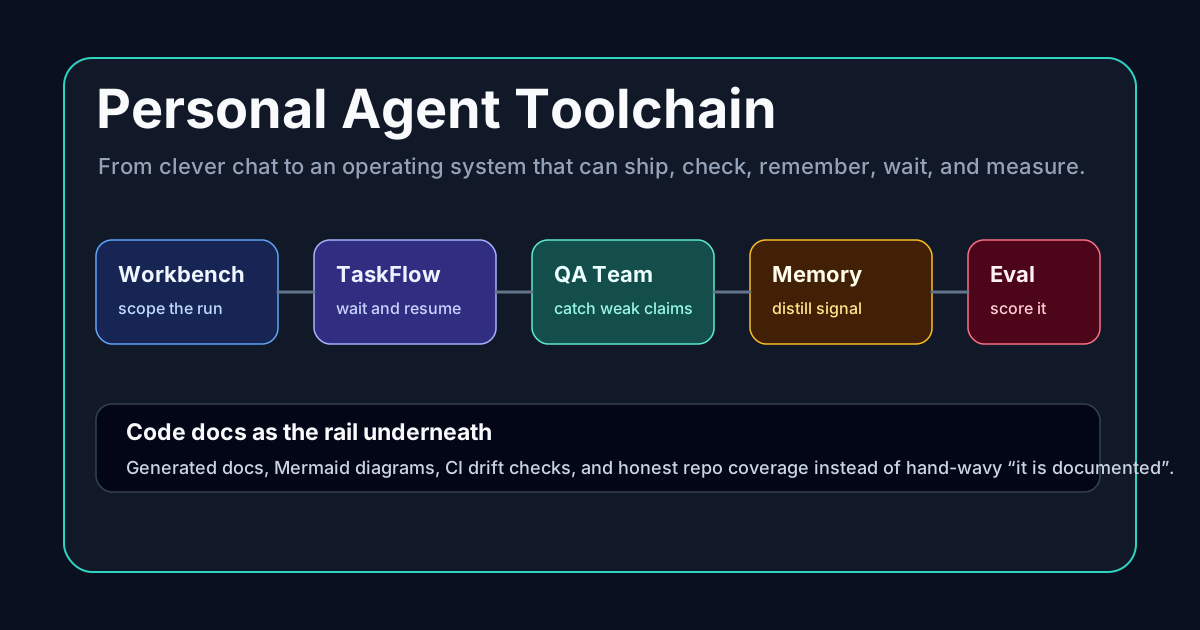
A useful personal agent needs more than prompts. It needs a workbench, QA, memory discipline, durable task running, evaluation, and docs that stay honest in CI.
-
I came away from day 2 at DTW Ignite with a slightly annoying conclusion

Agents are the easy story. Changing the operating model is the hard one.
-
DTW Ignite day one: AI is everywhere, but telco still has to pay for it

First impressions from DTW Ignite 2026 in Copenhagen: agentic AI is all over the agenda, but telecom still has the awkward problem of making the economics work.
-
Agent ops beats agent demos
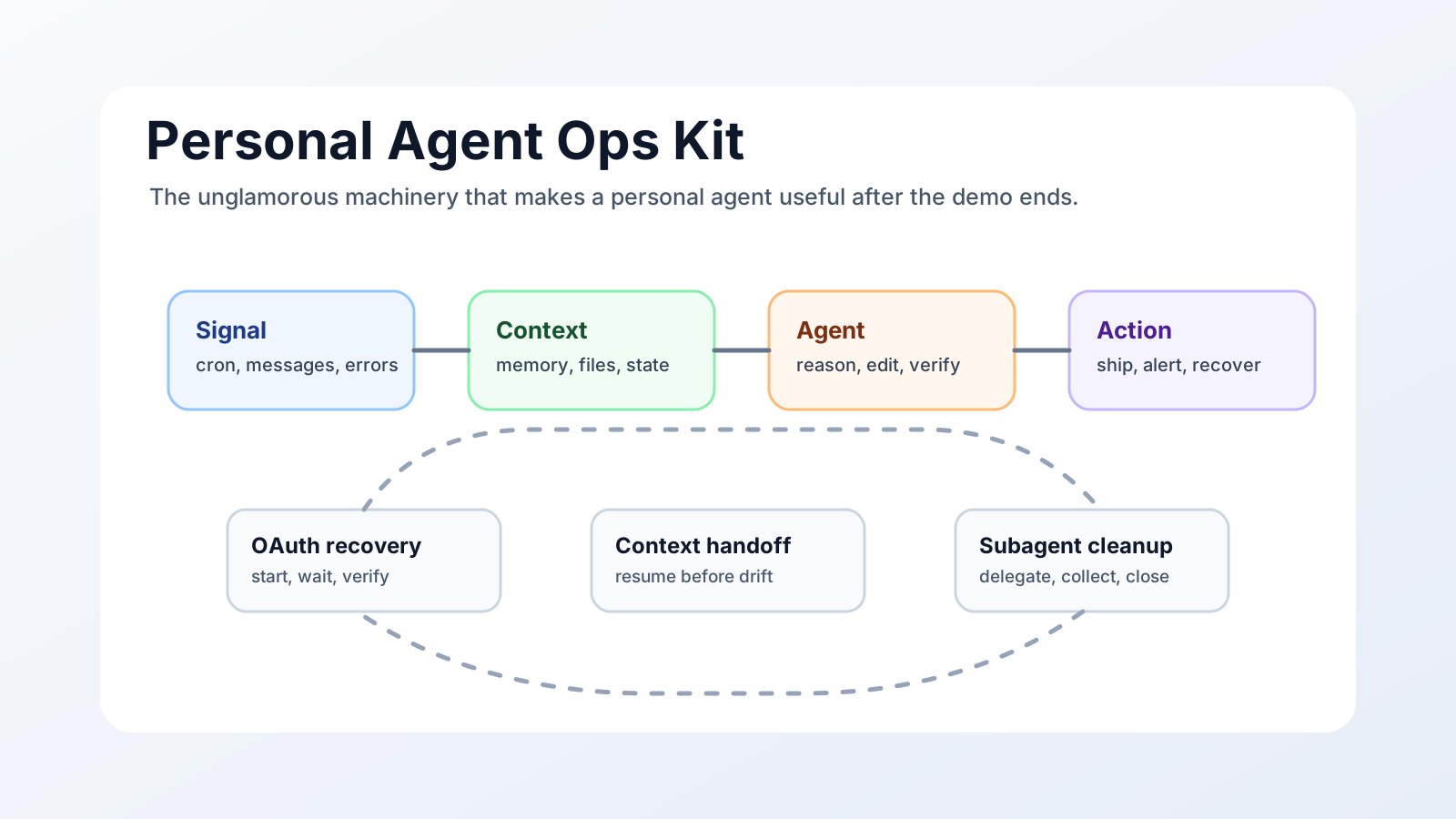
A useful personal AI agent is not one clever prompt. It is the boring operational loop around memory, recovery, context handoff, scheduled work, and cleanup.
-
The Agent Loop That Actually Works
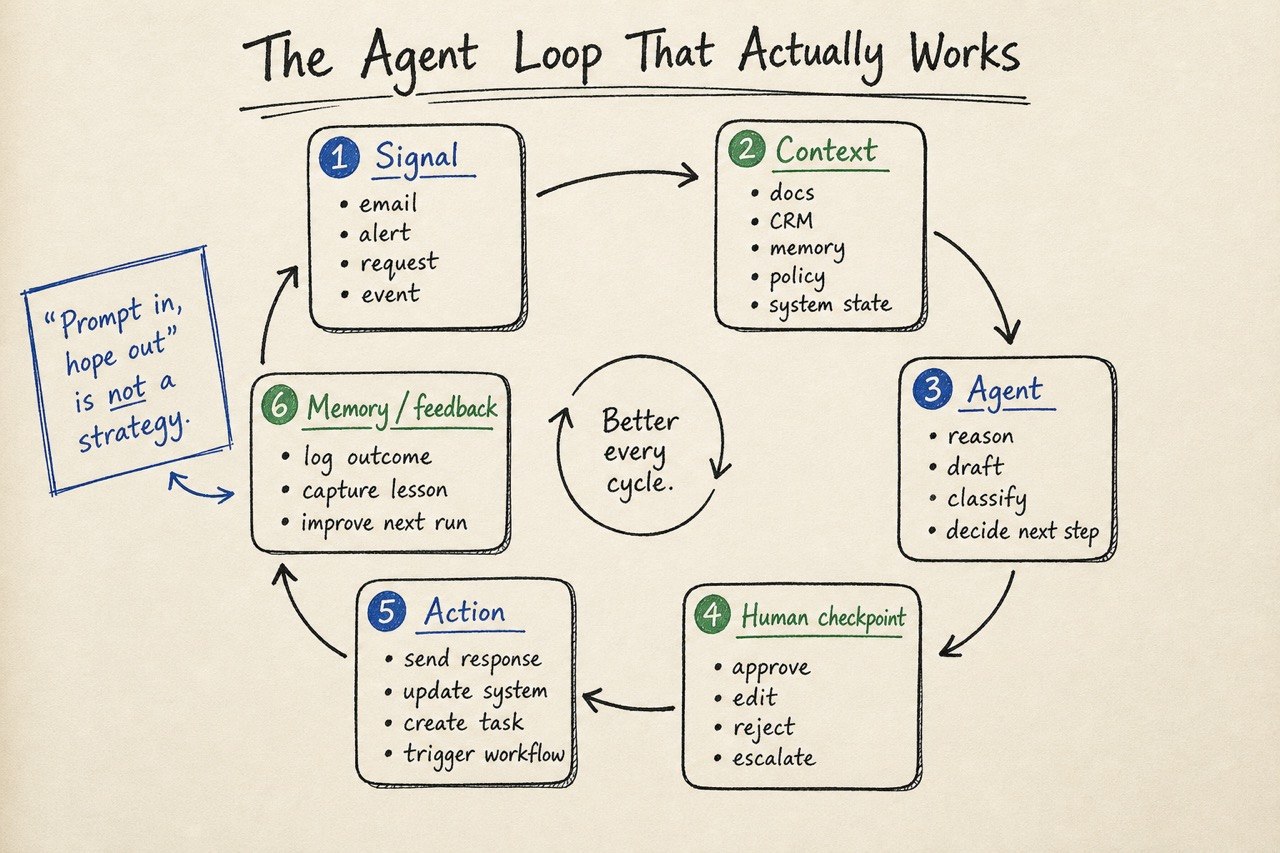
Most enterprise AI strategies are still too model-first. The real leverage comes from designing an agent loop that can survive contact with reality.
-
Home Brief turns Home Assistant daily briefs into something that actually persists
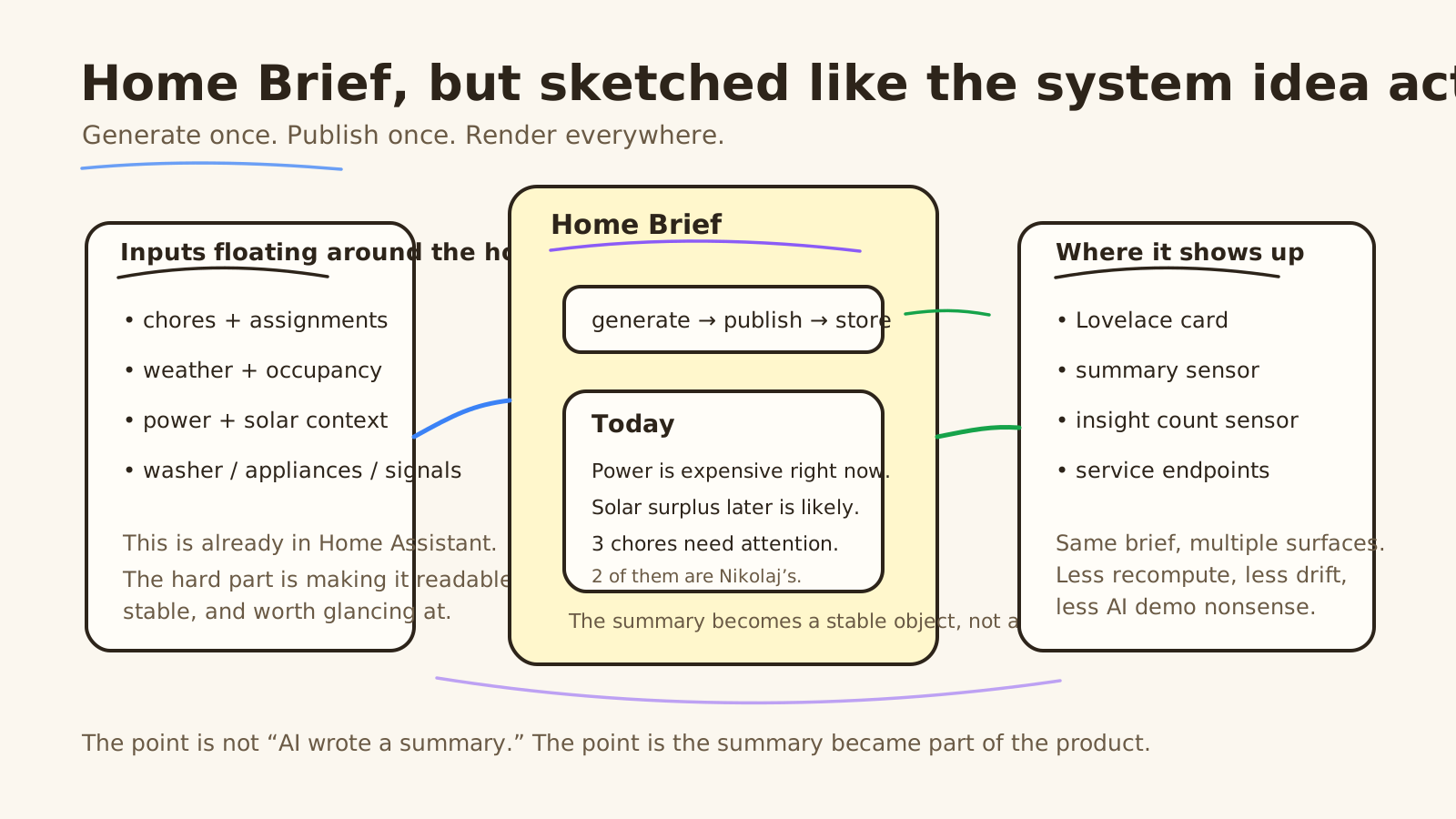
A practical write-up of Home Brief, a Home Assistant integration that generates useful house summaries and supports a proper published daily brief instead of one-shot AI output.
-
Microsoft, Google, and Amazon are not just AI trades. They are the toll roads under the next compute cycle.
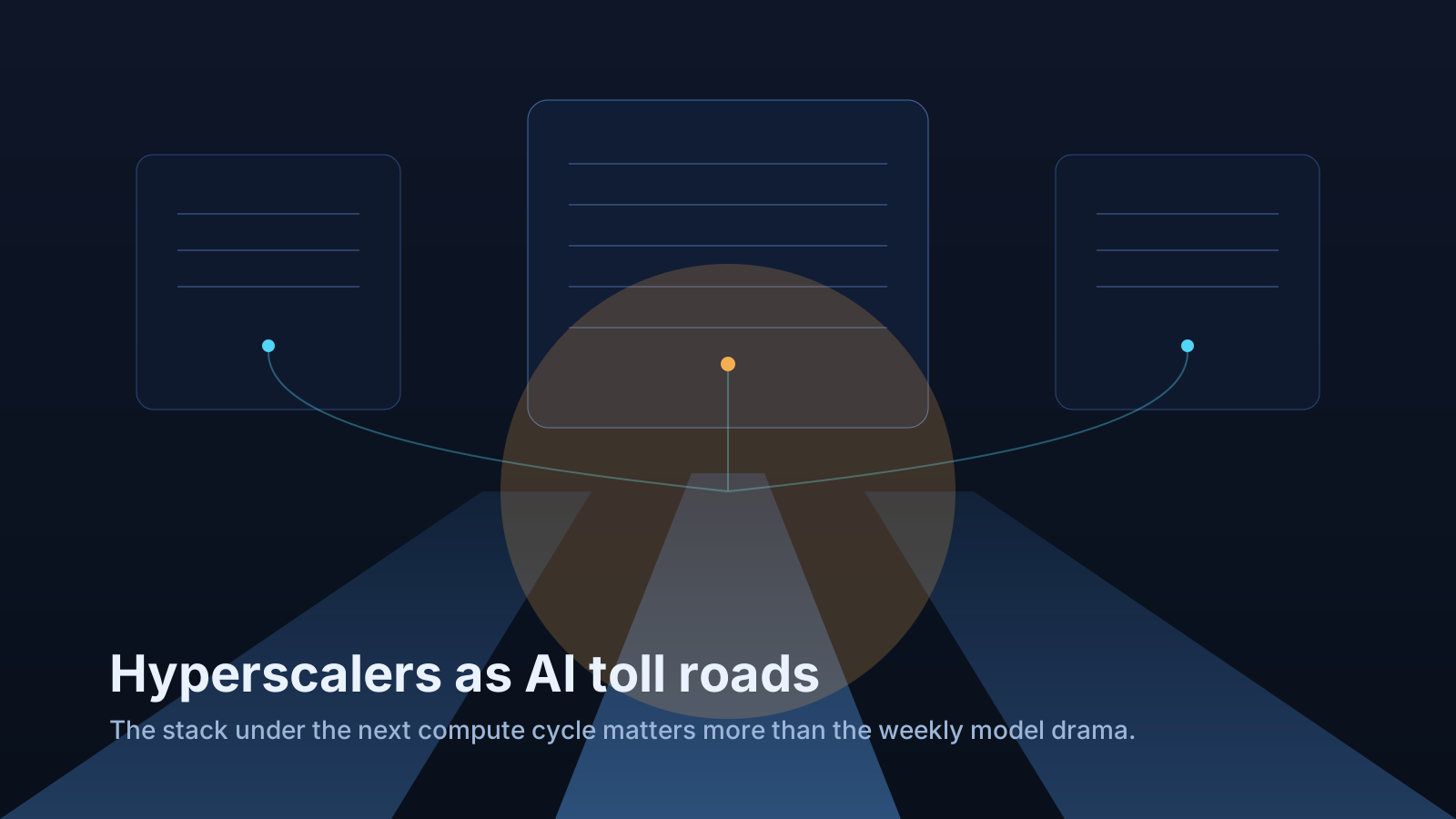
A lot of the market still talks about hyperscalers like they are just expensive big tech again. I think that misses the point. If AI keeps scaling, Microsoft, Google, and Amazon are not side bets. They are the infrastructure layer the whole wave has to run through.