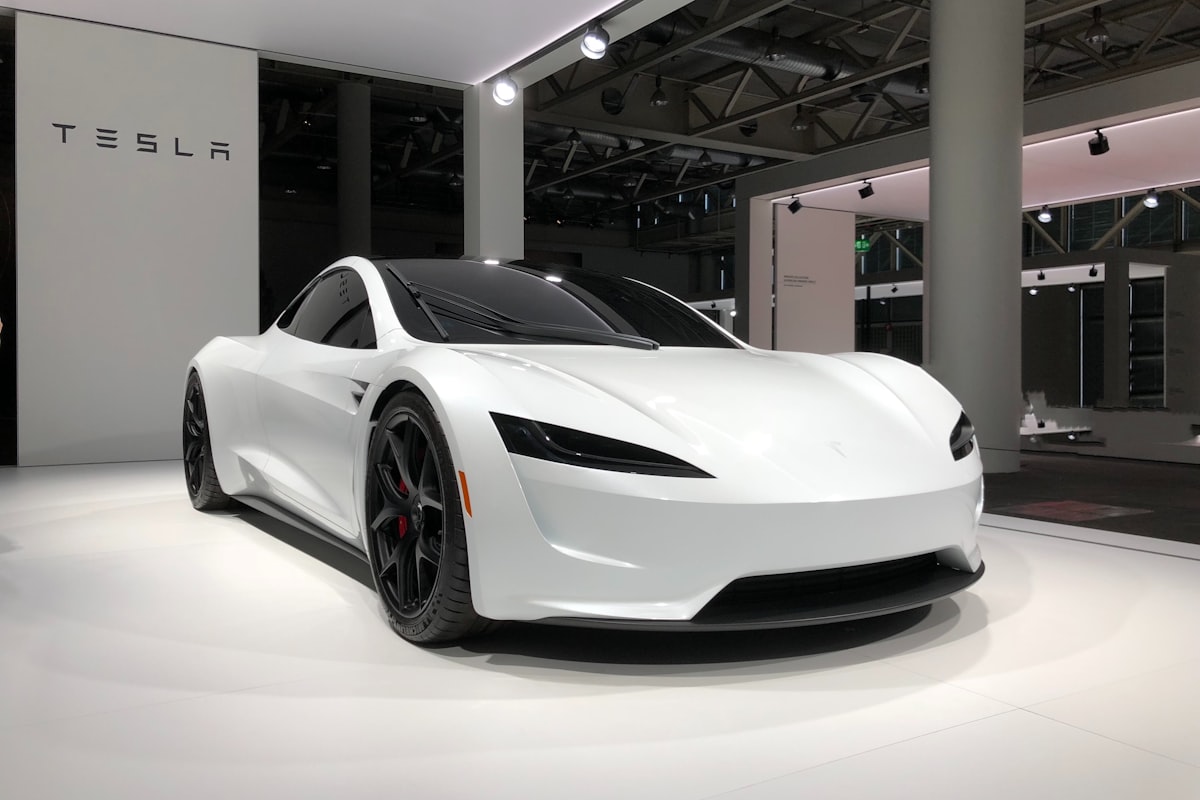
The regulatory dam is showing cracks. After years of waiting, Tesla’s Full Self-Driving (FSD) may finally have a viable pathway into the European market, and it’s coming through an unexpected but strategically significant route: the Netherlands Vehicle Authority (RDW).
Why RDW Matters
The RDW (Rijksdienst voor het Wegverkeer) serves as one of the EU’s most respected type-approval authorities. Their certifications carry weight across the entire European Economic Area through mutual recognition agreements. When RDW approves a vehicle system, other member states typically follow.
Recent regulatory filings and industry whispers suggest RDW has been actively engaging with Tesla on FSD validation procedures. This isn’t routine paperwork, it’s substantive technical review of Tesla’s neural network-based approach to autonomy.
The Technical Hurdle: UN R79 and Beyond
EU vehicle regulation operates on a framework of UN Economic Commission for Europe (UNECE) regulations. For FSD to gain approval, Tesla must satisfy:
- UN R79: Steering equipment (already cleared for basic Autopilot)
- UN R157: Automated Lane Keeping Systems (ALKS), the Level 3 baseline
- Pending frameworks: Higher automation levels requiring driver monitoring integration
Tesla’s unique challenge? Their FSD stack relies on pure computer vision and end-to-end neural networks rather than the lidar-heavy, HD-mapped approaches favored by European competitors like Mercedes-Benz and BMW.
RDW’s technical assessors are reportedly evaluating whether Tesla’s data-driven validation methodology, trained on billions of real-world miles, can satisfy the EU’s rigorous safety demonstration requirements.
What This Means for the Integration Landscape
As an integration architect, I see three implications:
1. Data Sovereignty Becomes Critical
FSD requires continuous data ingestion for model improvements. EU data protection rules (GDPR) and the emerging AI Act create strict boundaries on what driving data can leave European servers. The architecture for EU FSD will likely require:
- Regional data residency
- Edge processing for sensitive telemetry
- Strict audit trails for model training datasets
2. OTA Update Architecture Faces Scrutiny
Tesla’s over-the-air update capability, technically elegant but operationally complex, must align with EU type-approval requirements. Every significant FSD model revision may require regulatory notification or re-approval.
This creates fascinating integration challenges: how do you maintain rapid iteration cycles (Tesla ships updates weekly) within a framework designed for traditional automotive development timelines?
3. The Insurance Integration Layer
EU type approval for higher automation levels shifts liability frameworks. Insurance providers will need real-time vehicle telemetry integration to assess risk and determine coverage. This opens entirely new integration domains between automotive OEMs and regulatory databases.
Timeline Speculation
Industry consensus suggests RDW could issue initial type approval for FSD (likely limited to Level 3 highway autonomy) by late 2026. Full unsupervised FSD, Tesla’s ultimate goal, remains years away, contingent on:
- Completion of the EU’s missing regulatory framework for Level 4
- Validation of Tesla’s safety case across European driving conditions
- Resolution of data governance requirements
The Bigger Picture
Tesla’s EU FSD approval isn’t just about one company’s market access. It establishes precedent for how AI-driven, data-intensive systems gain regulatory acceptance in safety-critical domains.
The integration patterns developed here, between edge AI, cloud infrastructure, regulatory compliance systems, and cross-border data governance, will become templates for other industries facing similar challenges.
For those of us building enterprise integration architectures, the Tesla/RDW dialogue offers a masterclass in navigating the tension between innovation velocity and regulatory rigor. The companies that solve this integration challenge will define the next decade of autonomous systems deployment.
Want more analysis on AI, integration architecture, and emerging tech? Subscribe to the newsletter below.