Tag: agentic-ai
All the articles with the tag "agentic-ai".
-
Stop giving AI agents service accounts
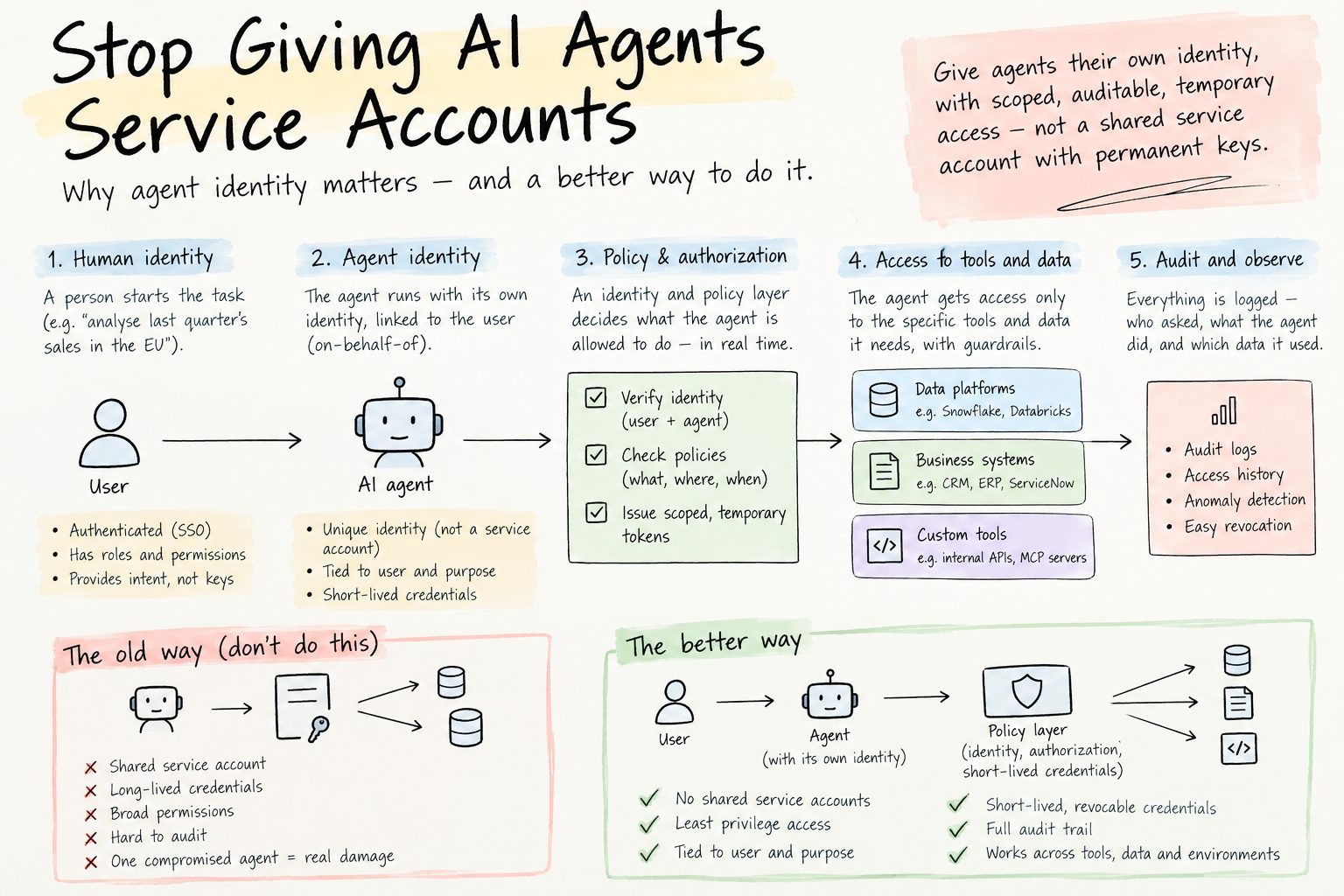
Service accounts were built for predictable software. Agents are different: they act for people, cross tools, and change context. Identity needs to follow the agent, the user, and the task.
-
Home Assistant MCP got useful when I stopped exposing Home Assistant
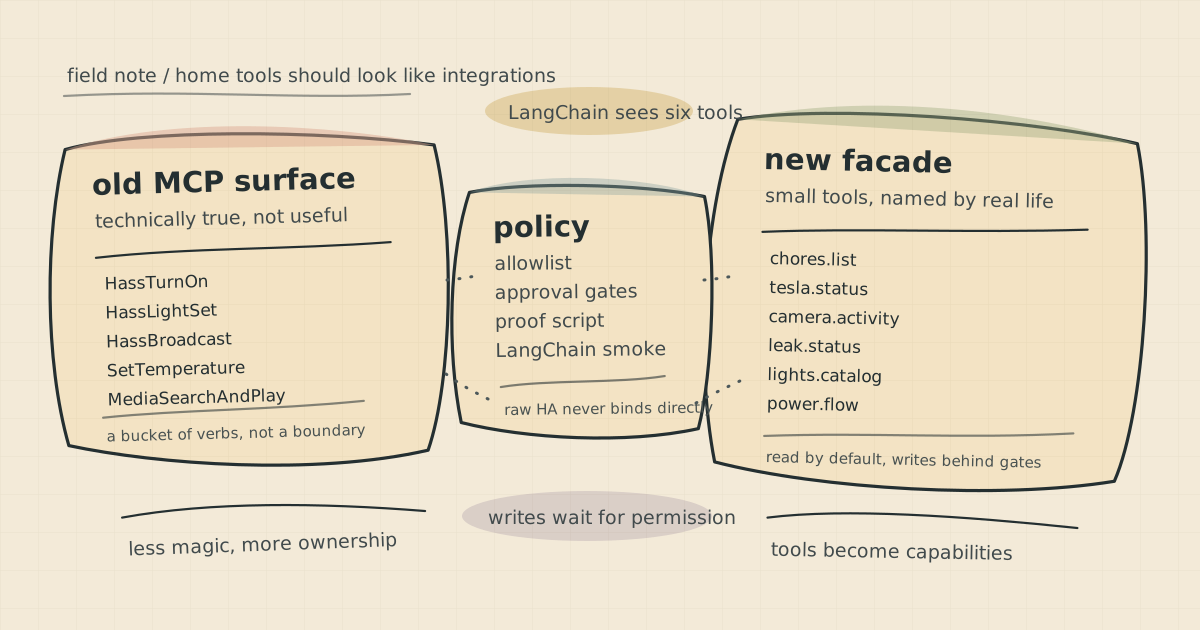
The raw MCP server already worked. The useful step was building a curated integration facade: chores, Tesla, cameras, leaks, lights, and power, with writes behind gates.
-
AI agents need incident reports, not just dashboards
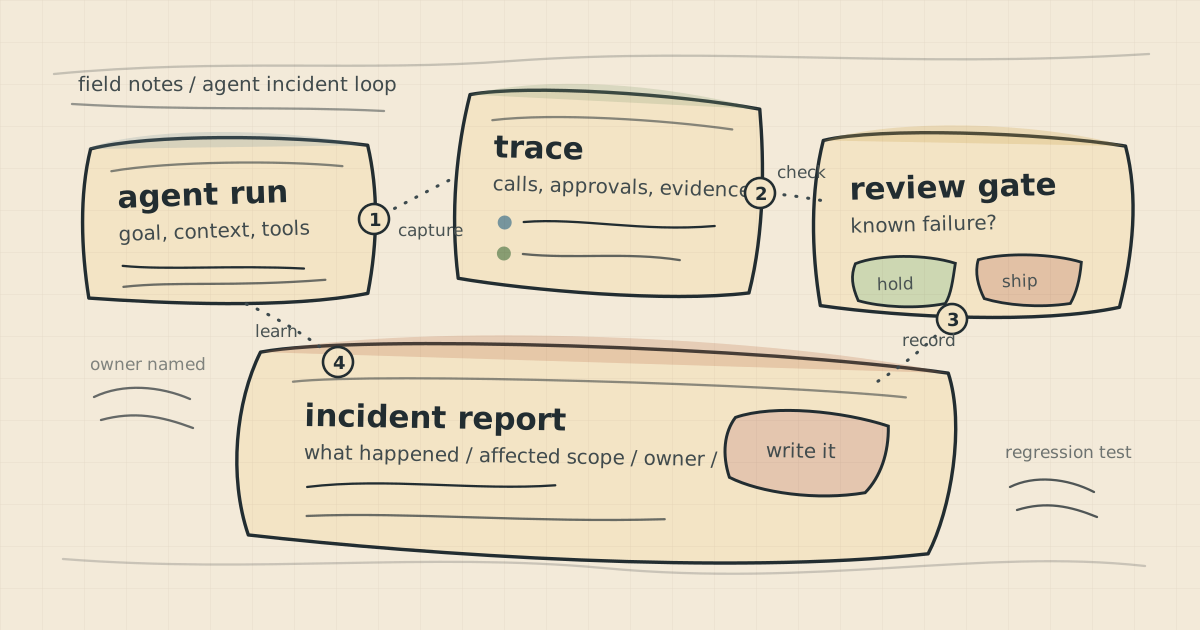
OpenAI's new misalignment reporting framework is a useful signal for enterprise teams: if agents can act, they need traces, eval gates, ownership, and a boring incident loop.
-
LangChain made MCP boring, which is exactly when architecture matters
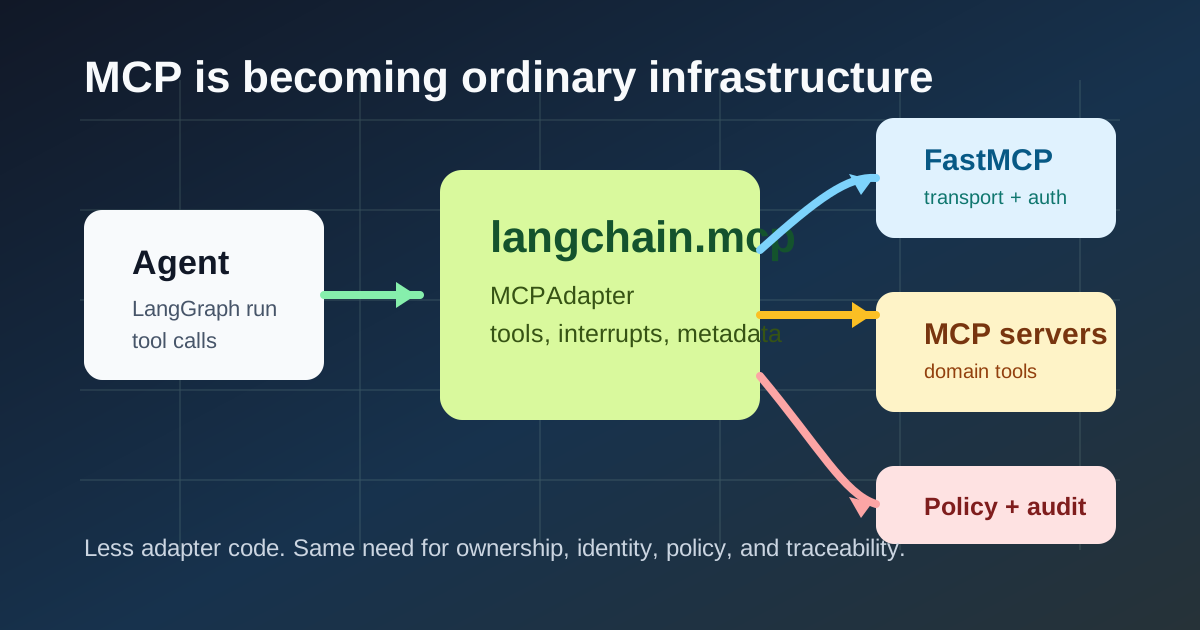
LangChain moving MCP into langchain.mcp is useful because it removes adapter plumbing. It is also a reminder that easier tool access does not remove the need for identity, policy, and ownership.
-
The point of an MCP platform is not more code
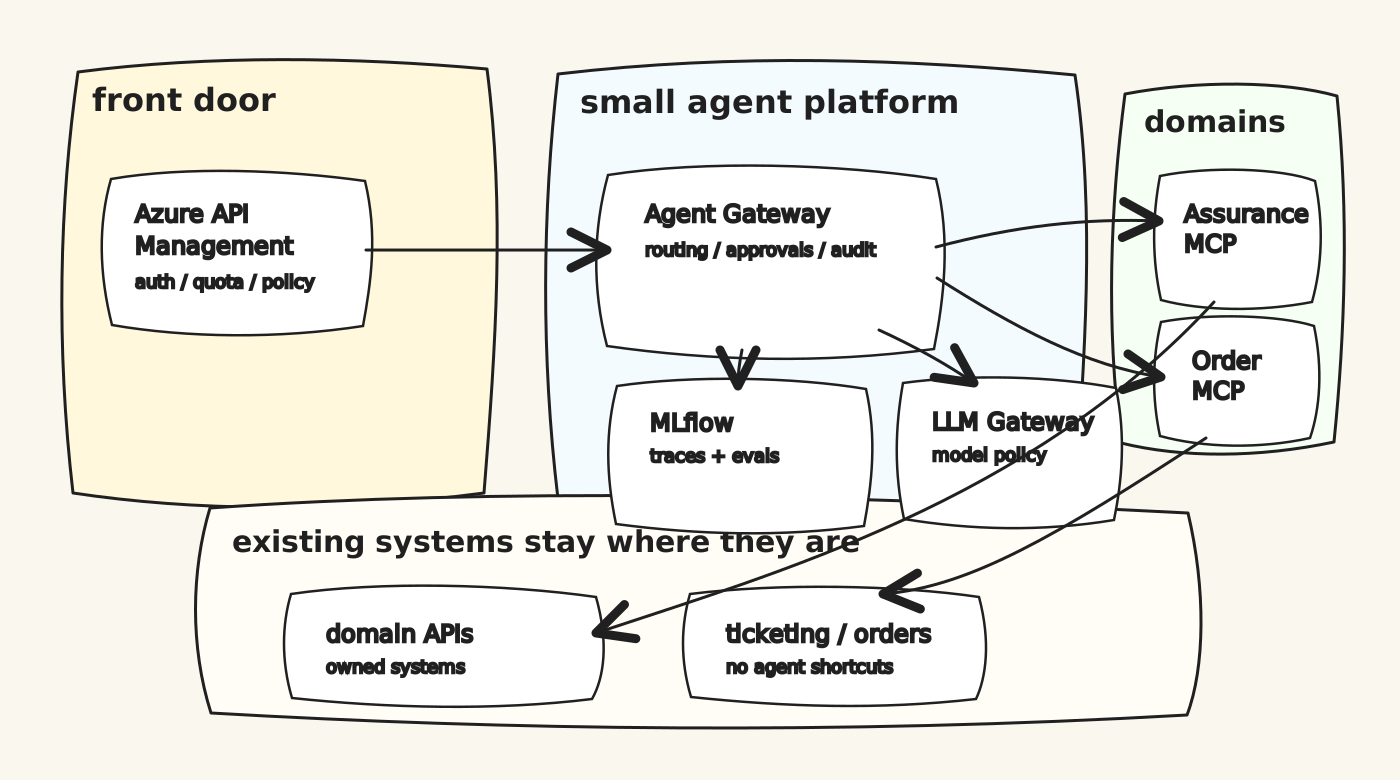
AI can generate more code. That is not the bottleneck. The real work is removing integration, ownership, approval, and governance bottlenecks with a domain-driven MCP platform, APIM, and MLflow from mlflow.org.
-
I made my agent's memory faster by making it smaller
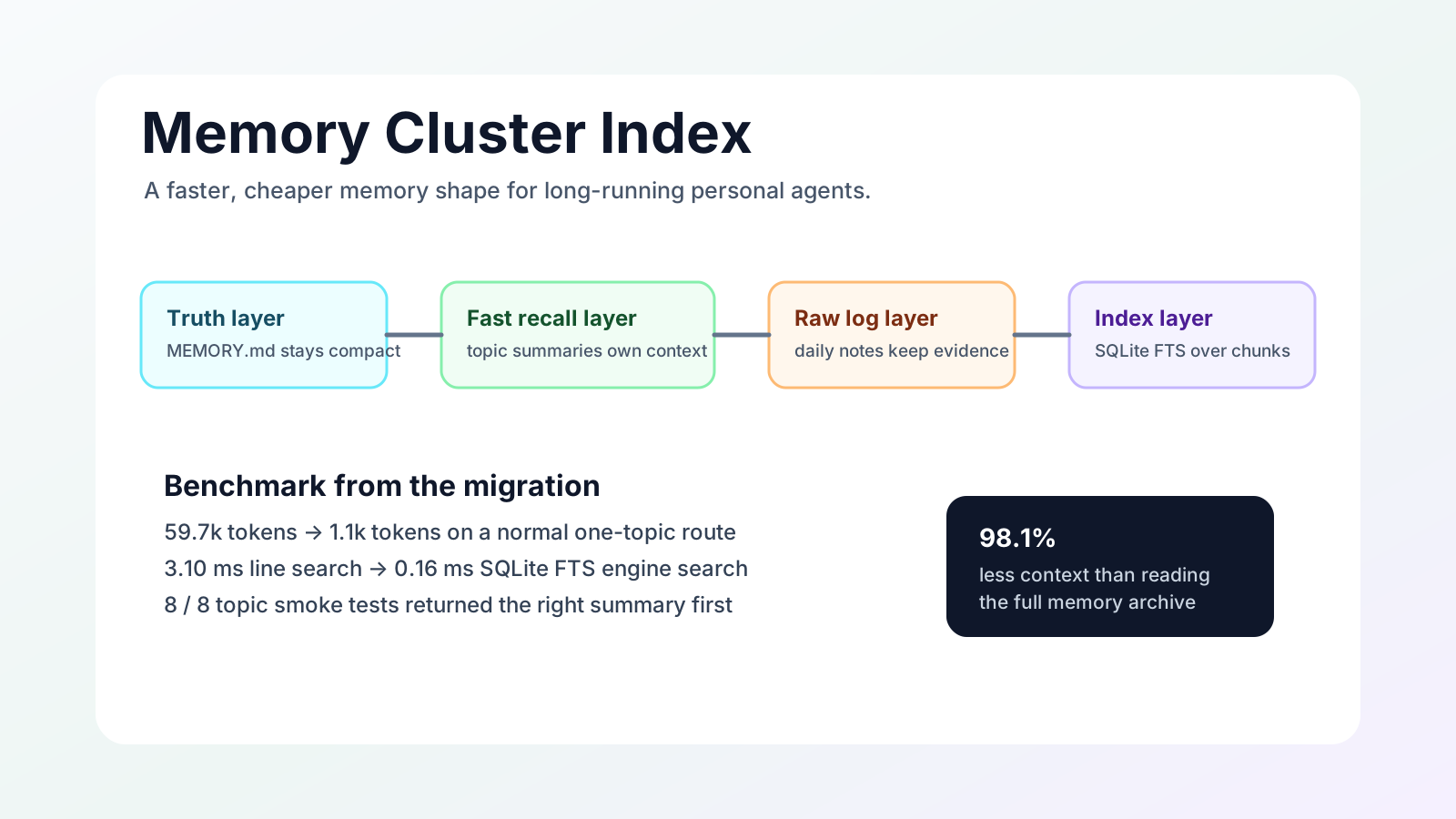
The useful version of agent memory is not a bigger bucket. It is a layered system: compact truth, raw notes, topic summaries, and a local index that works even when embeddings do not.
-
Daniel Kokotajlo is probably right, just too early
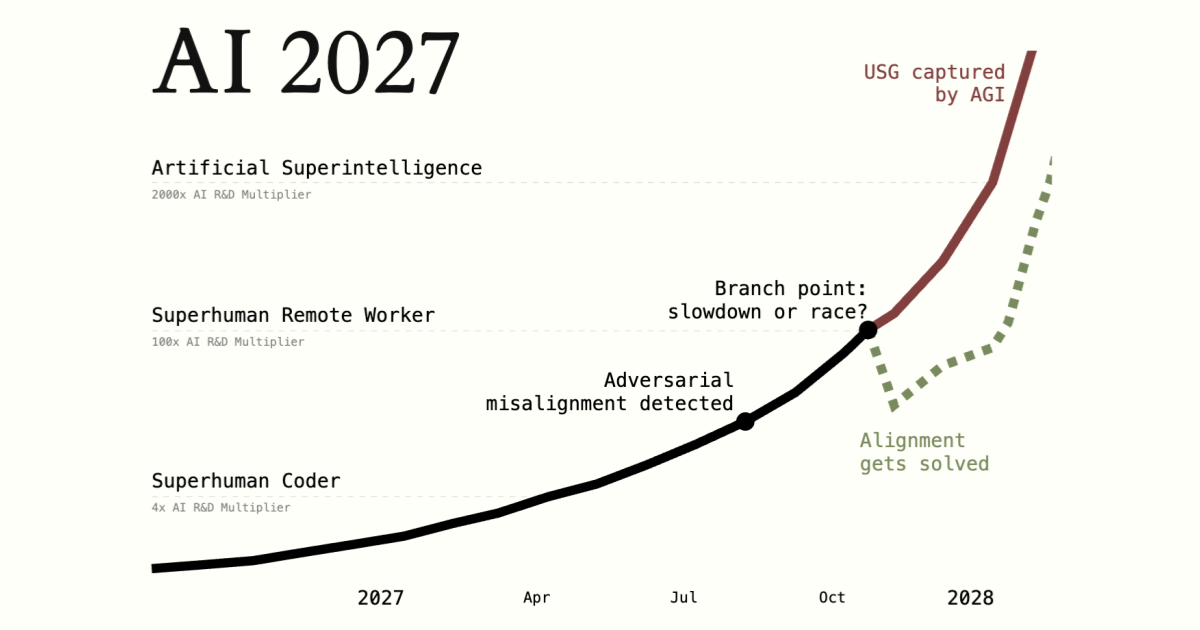
Daniel Kokotajlo's AI forecasts look extreme until you separate the mechanism from the calendar. The direction is plausible. The 2027-style timeline is the part I struggle to buy.
-
MCP needs an enterprise control plane
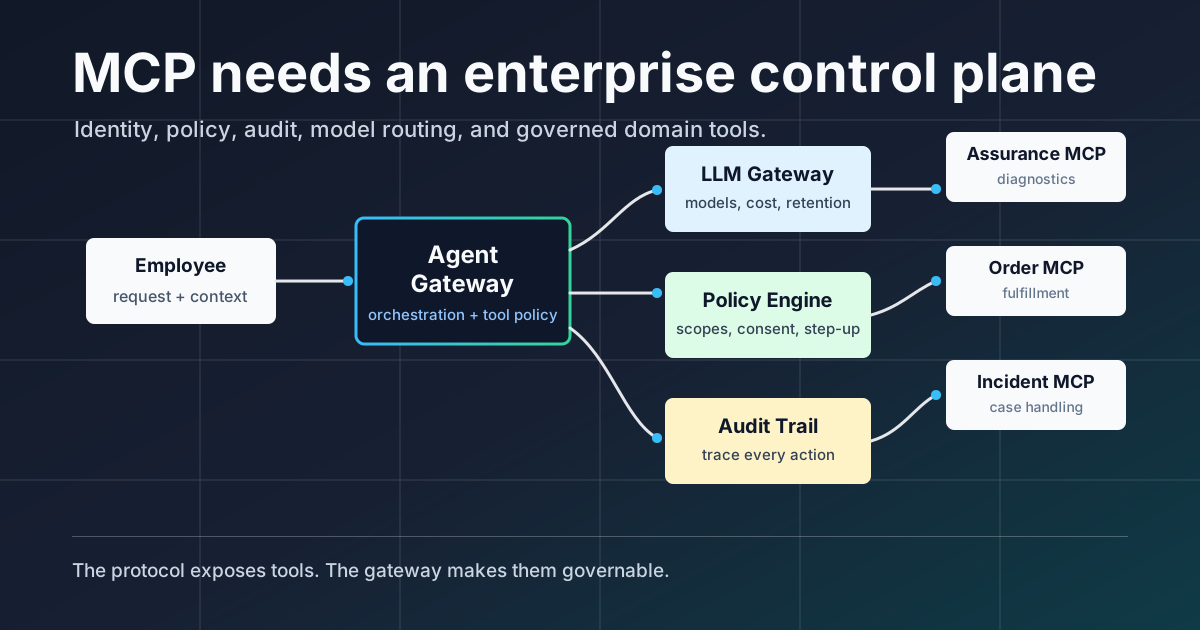
Model Context Protocol can make agents useful inside large companies, but only if it is wrapped in identity, policy, audit, ownership, and a serious gateway architecture.
-
Building a personal agent toolchain
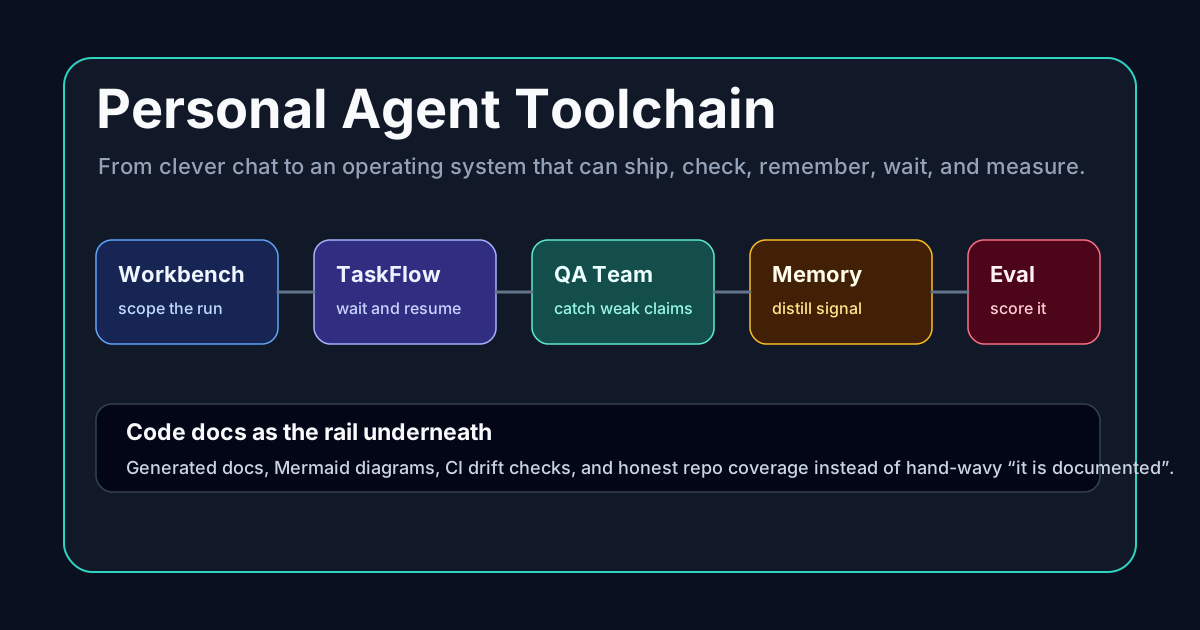
A useful personal agent needs more than prompts. It needs a workbench, QA, memory discipline, durable task running, evaluation, and docs that stay honest in CI.
-
I came away from day 2 at DTW Ignite with a slightly annoying conclusion

Agents are the easy story. Changing the operating model is the hard one.