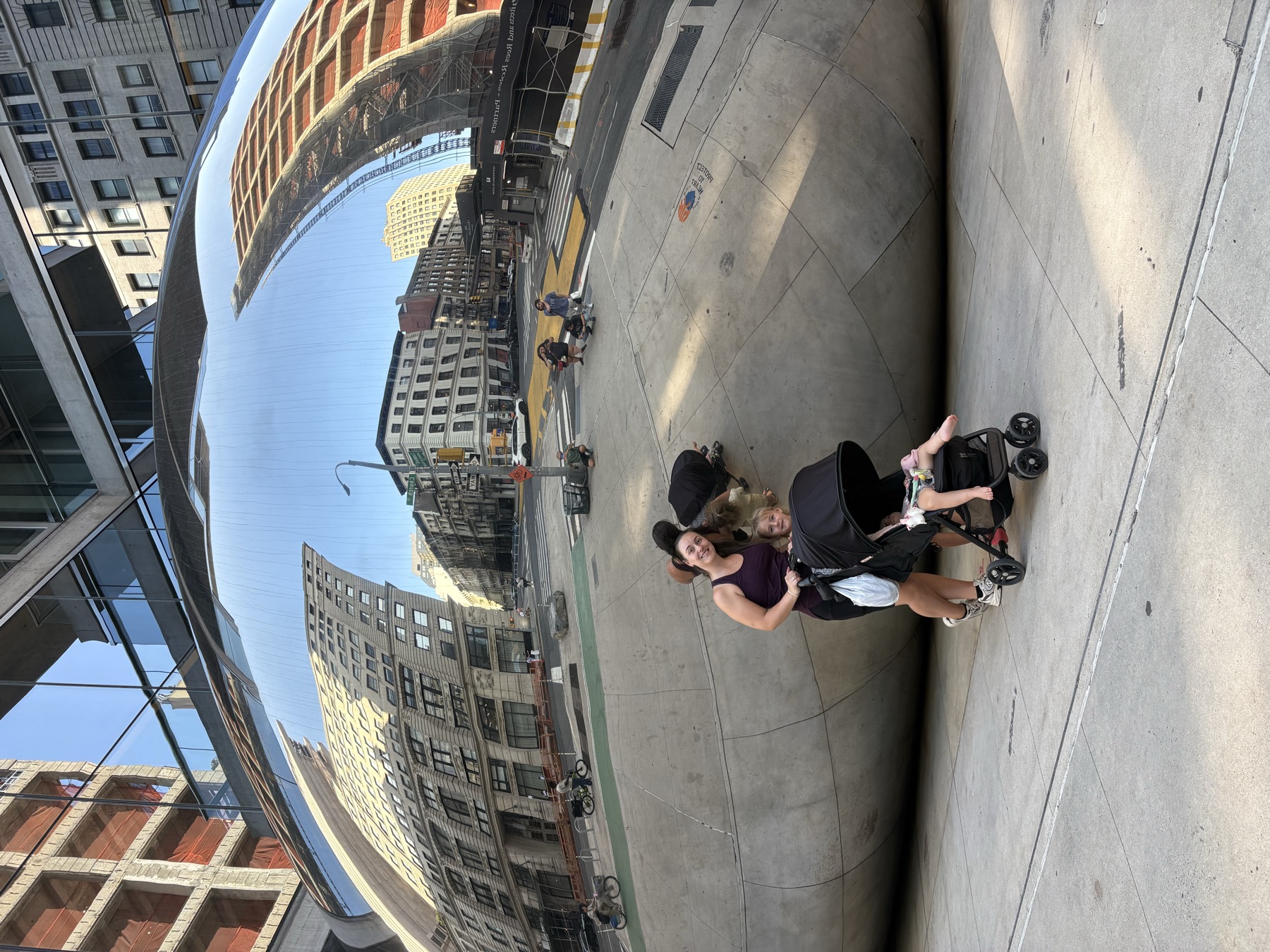
This is part 3 of our USA 2026 trip.
Part 1 was jet lag, pool math, and Vegas at full volume.
Part 2 was big canyon, cold lake, warm island, small people.
Part 3 is New York City.
From around 22 July onward, the trip changed again. No more desert miles. No more lake pause. No more island cheat code.
Now it was Manhattan: blocks, crossings, elevators, reflections, fountains, churches, glass, stone, and the constant parental inventory check.
Phone.
Bag.
Jamie.
Nelly.
Other adult.
Repeat every six seconds until home.
New York starts at speed
New York does not warm up.
It opens at chapter seven.
You step outside and the city is already mid-sentence: taxis moving, people cutting across, buildings crowding the sky, steam appearing from somewhere, someone honking at someone else for reasons you will never be given.
That should be too much with small children.
Somehow it helps.
Nelly had things to point at before she could get bored. Jamie had motion, lights, faces, wheels, reflections. Janice and I had a city that did not require us to invent a theme for the day.
The theme was outside.
Keep walking.
Try not to block the pavement.
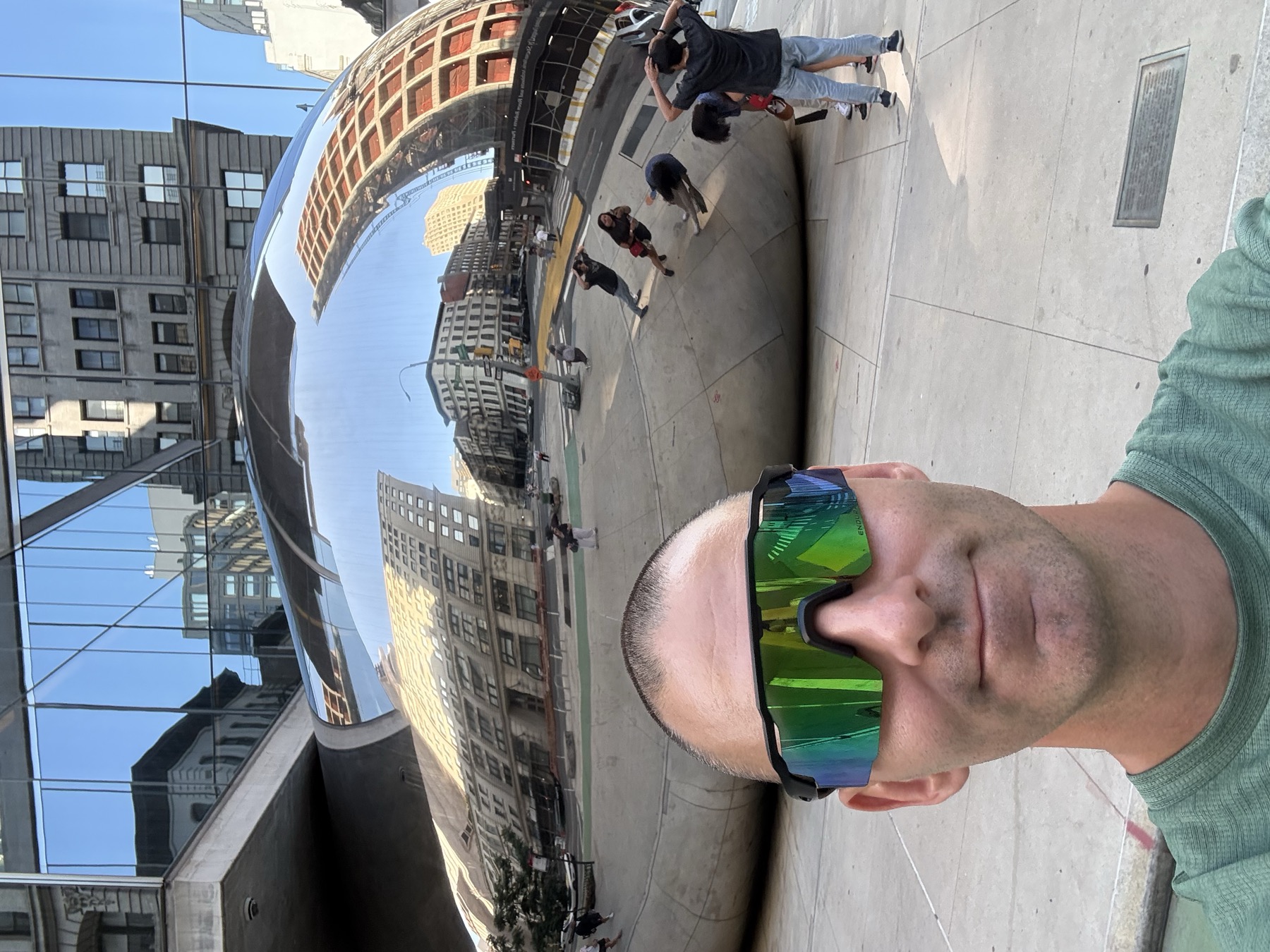
Manhattan is free entertainment with expensive coffee
The best part of New York with children is that the city keeps paying out in small, obvious moments.
Turn a corner: something tall.
Cross a street: something loud.
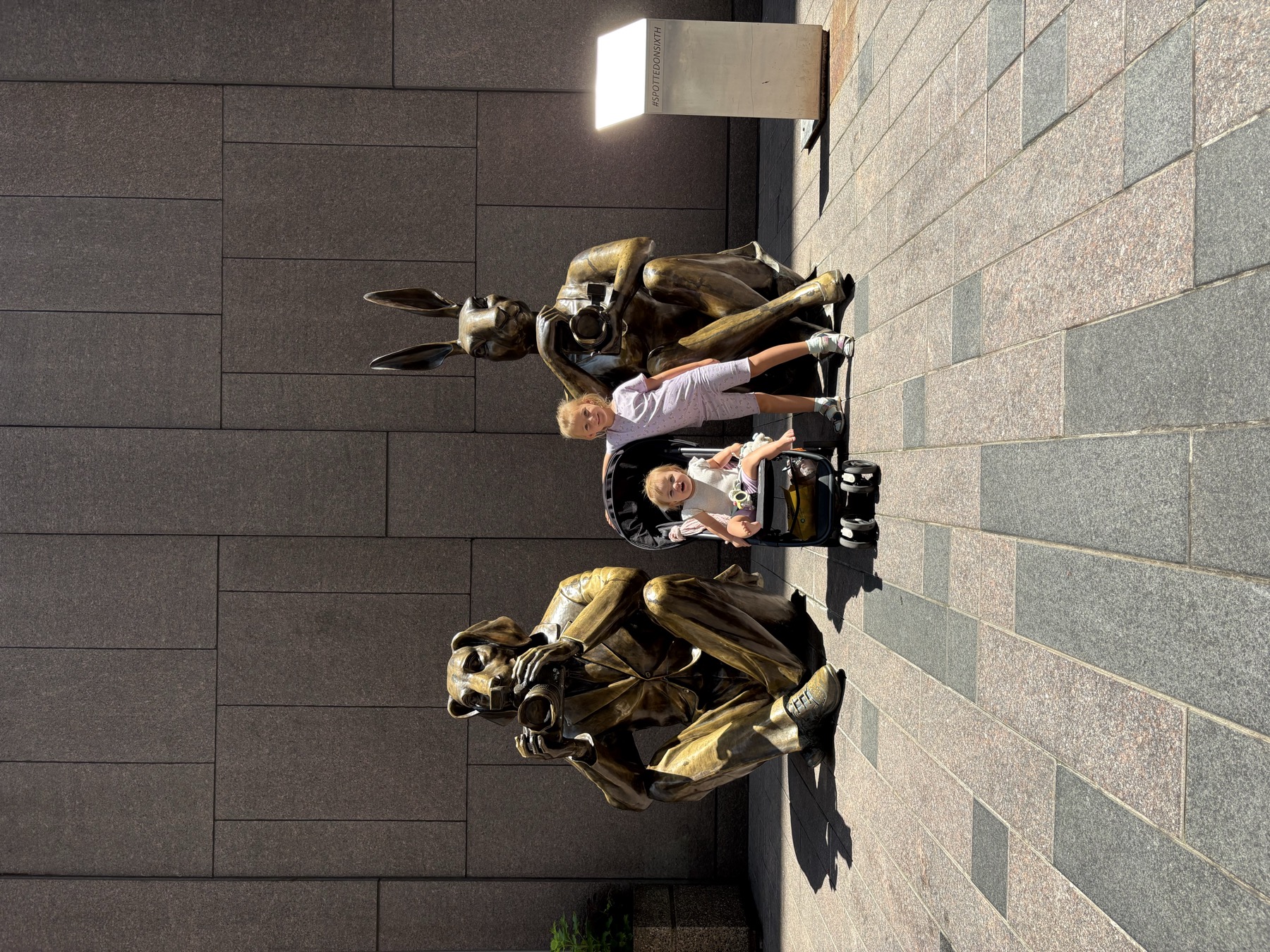
Enter a plaza: sculpture.
Look up: everyone does, because the buildings have no shame.
You can still have an adult city trip inside that. That is the trick.
Janice and I got to walk through a real place, not a children-first plastic version of a place. Nelly and Jamie got constant stimulus without anyone standing there explaining history like a tired podcast.
That is rare.
Most destinations make you choose between adult-interesting and child-tolerable.
New York occasionally manages both by sheer density.
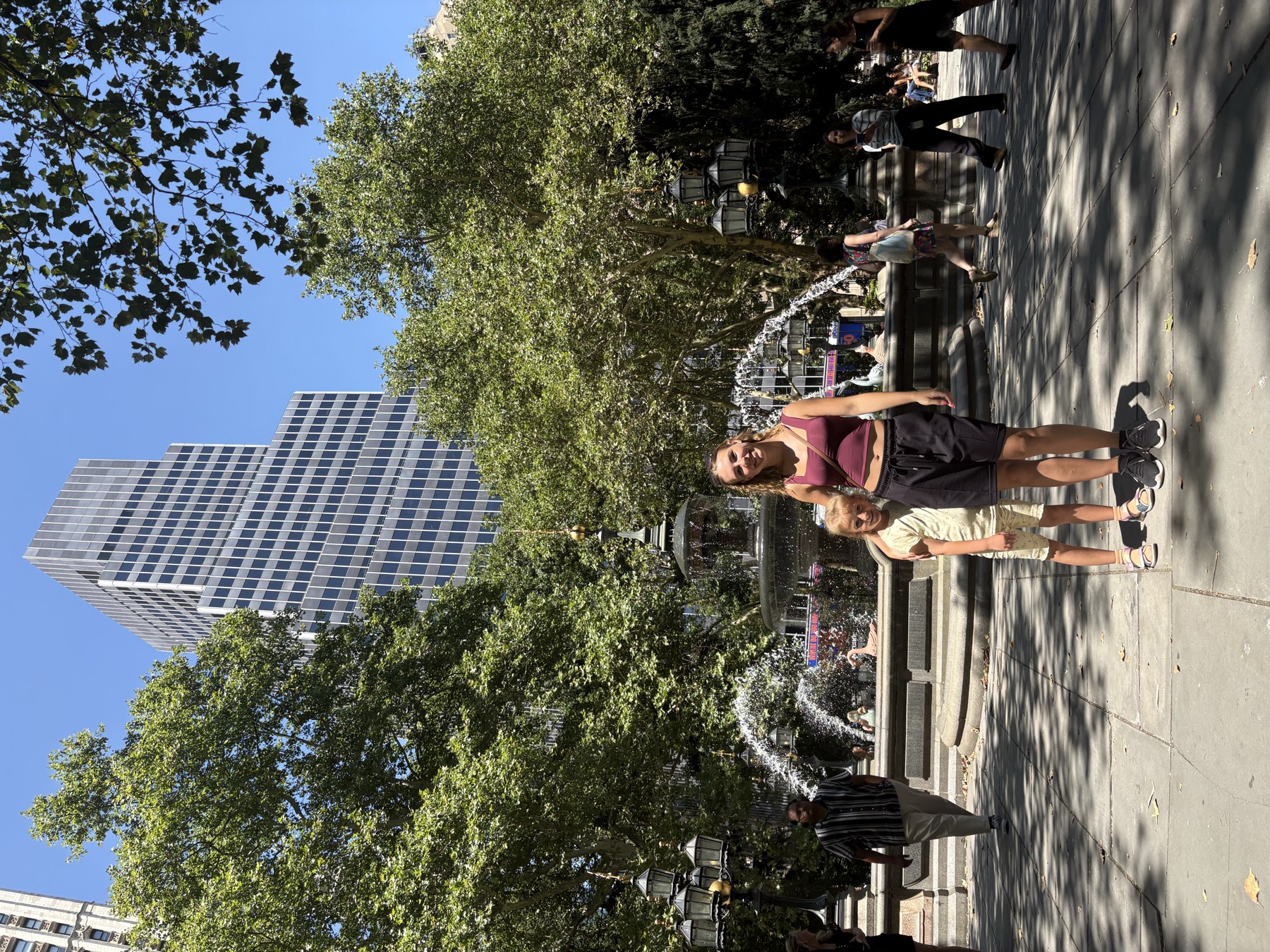
Obvious landmarks are underrated
At this stage of a long trip, subtle attractions are a trap.
Nobody needs “quietly rewarding.”
Nobody needs “worth it if you understand the context.”
You want landmarks that announce themselves like they have a publicist.
New York is full of those.
Big facade. Strange shape. Famous corner. Serious church. Fountain. Shiny thing. Done.
Children understand that something has happened, even if they do not care what century it happened in.
Adults get a small hit of culture without launching a family seminar.
Everyone wins, or at least nobody mutinies immediately.
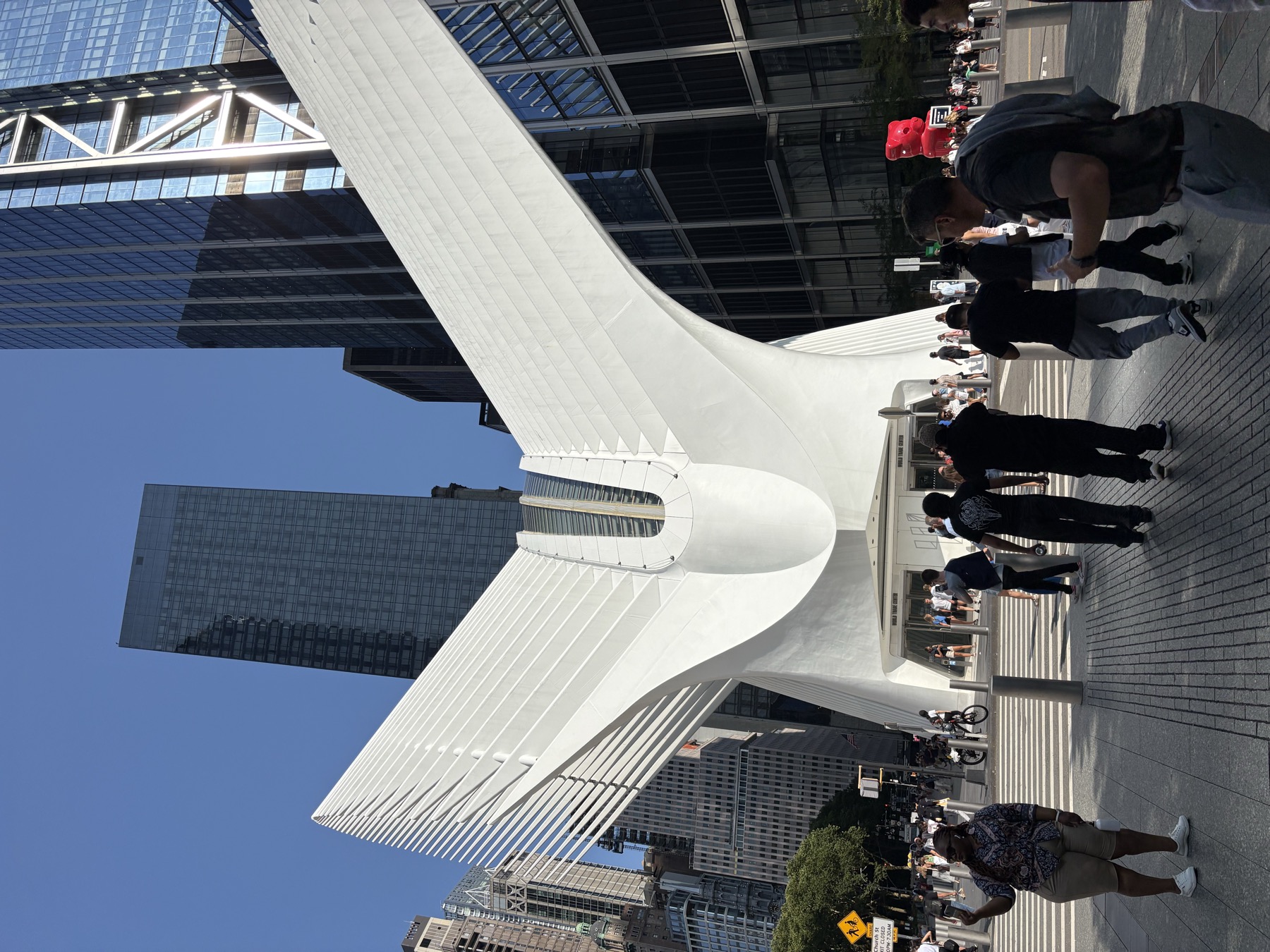
The Oculus is wonderfully unnecessary
The Oculus feels like a transport hub designed by someone who heard “train station” and replied, “Yes, but what if it had feelings?”
It is dramatic.
Possibly too dramatic.
Perfect.
Overbuilt architecture is useful with children because it does not ask for patience. It arrives fully inflated. You can walk in, look up, get the reaction, and move on before the spell breaks.
Nelly got the scale.
Jamie got the movement.
I got to enjoy a building that looks like a spaceship got into retail.
That is a solid stop.
The walking had to be edited live
New York tempts you into one of the most dangerous sentences in parenting:
“It is only a few more blocks.”
This is how reasonable adults ruin afternoons.
A few blocks in Manhattan can mean seven different things depending on heat, legs, hunger, stroller direction, crossings, and whether someone has decided that being carried is now a constitutional right.
So the plan became more like editing than sightseeing.
Cut this.
Keep that.
Pause here.
Abort if blinking slows down.
It is less romantic than the movie version of New York, but much more effective.
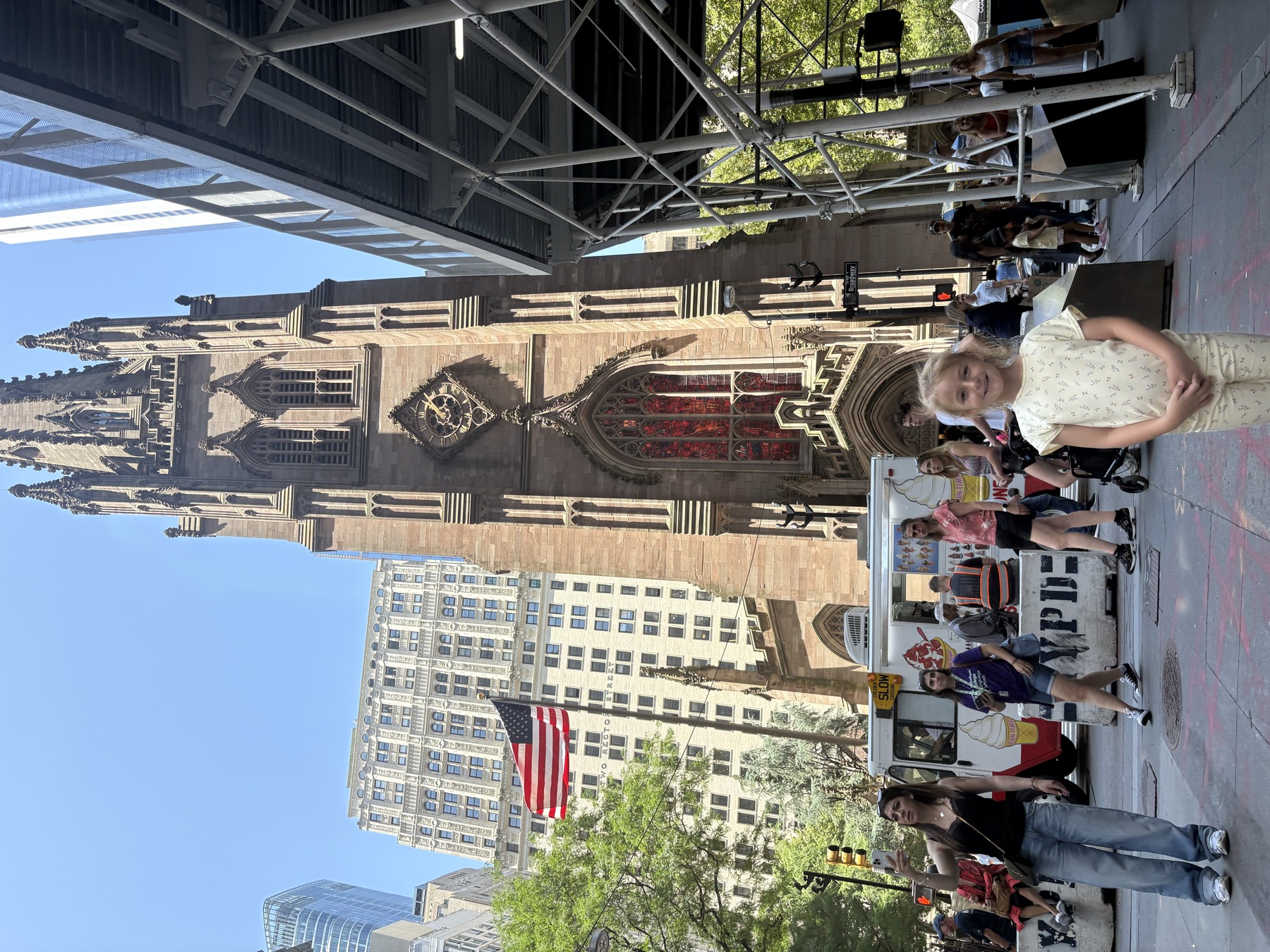
Churches, towers, and just enough ambition
The best days had restraint.
Not laziness.
Restraint.
One area. A handful of visible anchors. Enough walking to feel like New York. Enough stopping to avoid turning the day into a hostage situation.
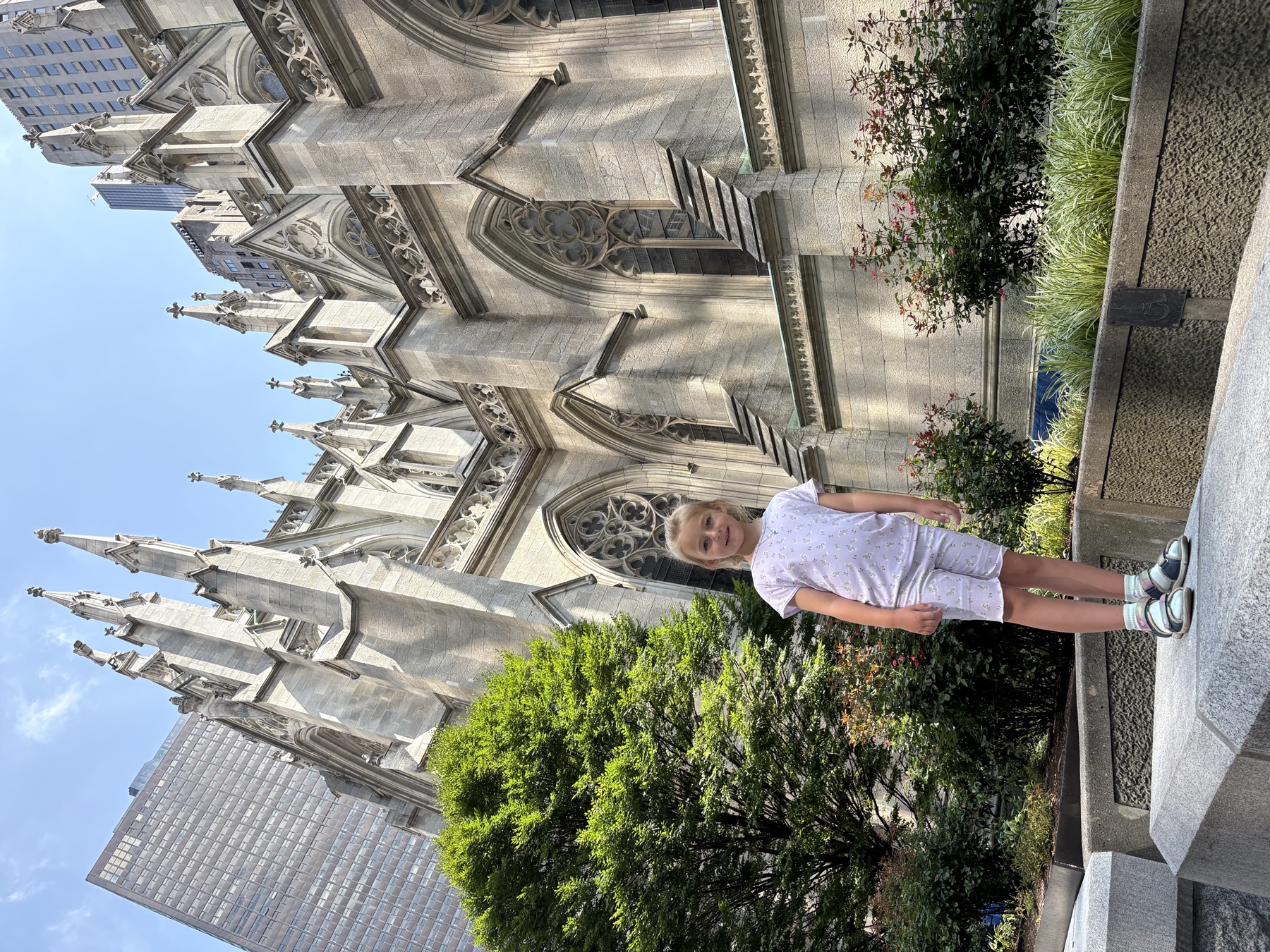
That made room for the good bits to register: the size of the avenues, the sudden quiet inside a church, the absurd confidence of the skyline, the little moments where Nelly noticed something before we did.
New York rewards attention, but it punishes greed.
With children, that is not a metaphor. That is an operating manual.
The 23-day verdict
So that was the shape of it:
- Part 1: escape LAX, repair in Palm Springs, let Vegas be ridiculous
- Part 2: canyon scale, Tahoe quiet, SFO comma, Hawaii payoff
- Part 3: Manhattan on foot, with small legs and no spare hands
Written down, it looks like too much.
It probably was.
That is also why it worked.
The trip had different gears. Pool. Desert. Neon. Canyon. Lake. Island. City. Each one would have been too thin on its own for 23 days. Together they became a proper mess in the best sense.
Not polished.
Polished is for brochures.
This was better: big views, bad timing, good stops, ridiculous transitions, children reacting honestly to everything, and Janice and me repeatedly discovering that the plan was both too much and exactly right.
That is the memory I want from it.
Not the clean version.
The version that actually happened.